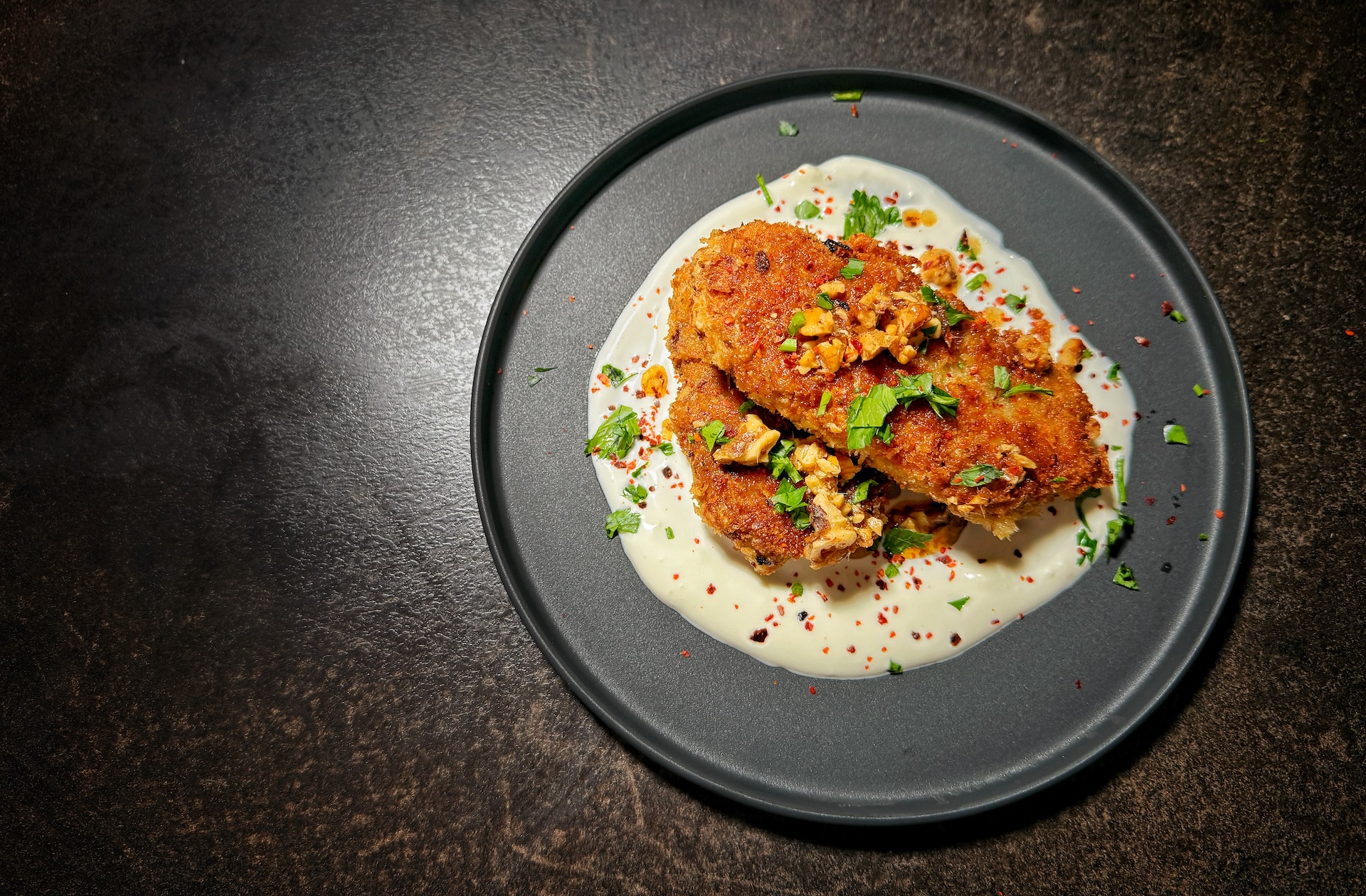
Romanian Minced Meat Schnitzels (The Original Nuggets Before Nuggets Existed)
Discover a 1902 Romanian minced schnitzel—crispy outside, juicy inside, and finished with anchovy walnut butter. The original gourmet nugget reborn.

Servings
.svg)
Prep Time

Cook Time

Ingredients

Total Time
Ingredients
For the Schnitzels
- 250 g beef round or ground beef
- 250 g chicken thigh or ground poultry (chicken or turkey)
- 50 g stale bread
- Cold water, enough to cover
- 1 large egg
- 1 small onion, very finely chopped
- 2 tbsp fresh parsley, finely chopped
- Finely grated zest of 1 untreated lemon
- Salt, to taste
- Freshly ground black pepper
For the Crust
- Flour
- 2 eggs, beaten
- Panko breadcrumbs
For Frying
- Vegetable oil or clarified butter
Walnut-Anchovy Butter Sauce
- 80 g butter (82% fat)
- 5–6 anchovy fillets in oil, drained
- 60 g walnuts, coarsely chopped
- 1 small garlic clove, finely grated
- Black pepper or Aleppo pepper, to taste
For Serving
- 250 g fermented sour cream (20–24% fat)
- 1 small bunch fresh parsley
Equipment
Instructions
It's time to take another old recipe and adapt it to our modern needs and ways of cooking. This time I chose an old Romanian recipe from the book Buna Menajeră – Carte de bucate, practică by Ecaterina Dr. S. Comșa.
My edition dates back to the 1930s, but the first edition of the book was published in 1902, making it one of the foundational cookbooks of Romanian domestic cuisine.
As always, I tried to modernize the recipe without destroying its authenticity. The goal was not to reinvent it, but to help it live again in today's kitchens.
What makes this recipe even more fascinating is how familiar it feels today. Seasoned minced meat, shaped, breaded, and fried until golden.
In many ways, this is exactly what nuggets were meant to be before they became industrialized. In other words, these traditional Romanian minced meat schnitzels, inspired by a 1902 cookbook, reveal that the concept behind nuggets is far older than most people realize.
But let's see what I did
Instructions
Prepare the Meat Mixture
- Soak the stale bread in cold water for 2–3 minutes.
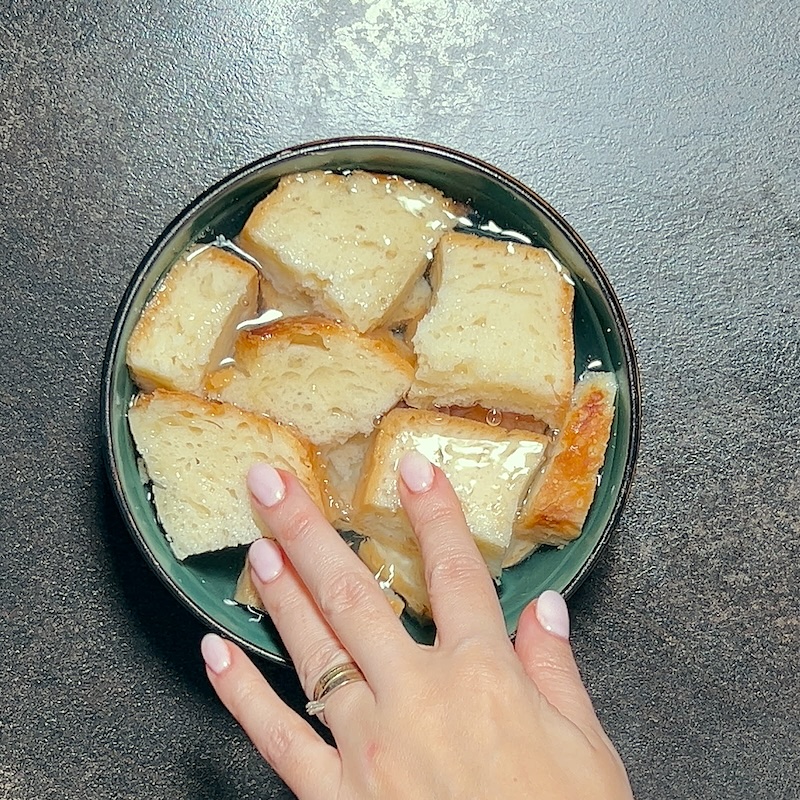
- Then squeeze it very well to remove excess moisture.
- If using whole cuts of meat, pass the beef, chicken, soaked bread, onion, and parsley through a meat grinder.
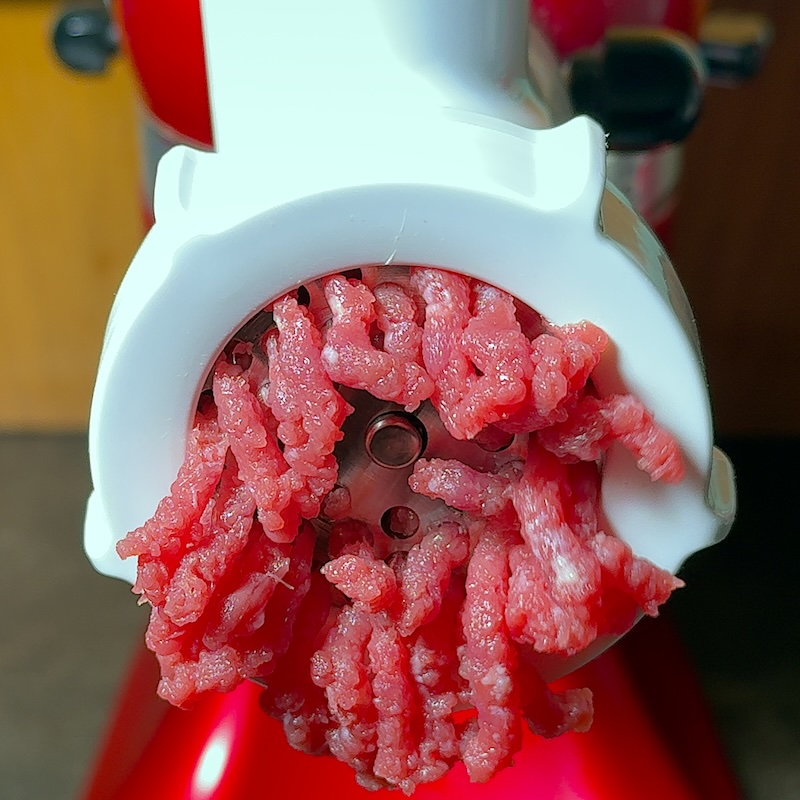
- Transfer everything to a bowl and add the egg, salt, pepper, and lemon zest. Mix thoroughly until a uniform, cohesive mixture forms.
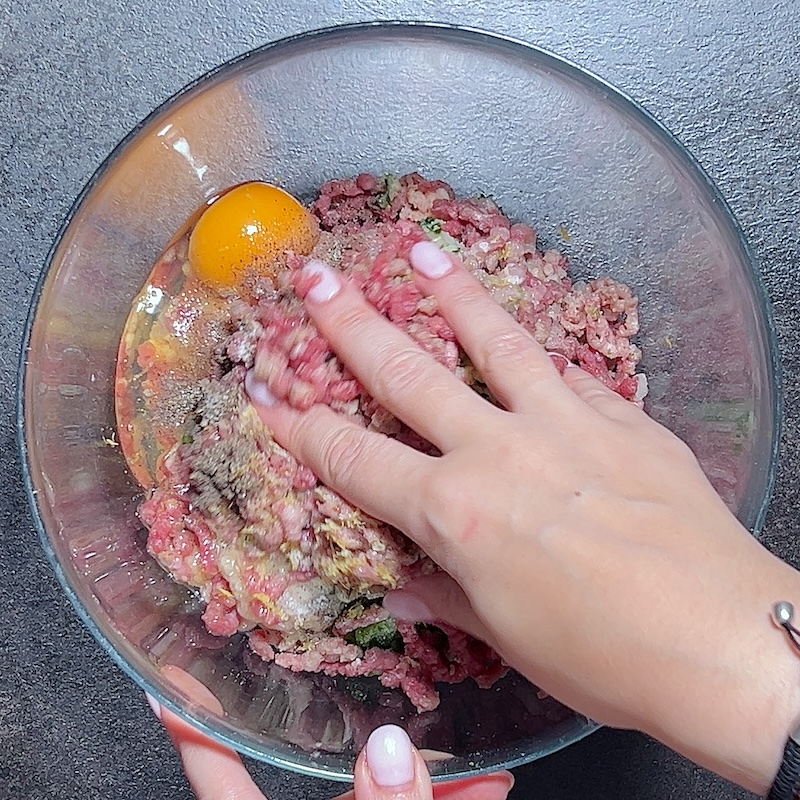
- If using pre-ground meat, blend the soaked bread, onion, and parsley in a food processor until a smooth paste forms. Combine this with the ground meat, egg, lemon zest, salt, and pepper, and mix until homogeneous.
- This creates the base for what can be seen today as crispy minced meat schnitzels like traditional Romanian nuggets, built entirely from real ingredients and balanced seasoning.
Shape and Bread the Schnitzels
- Divide the mixture into 8–10 equal portions.
- Shape each portion into elongated ovals approximately 1 cm thick. This shape ensures even cooking and preserves the original character of the recipe.
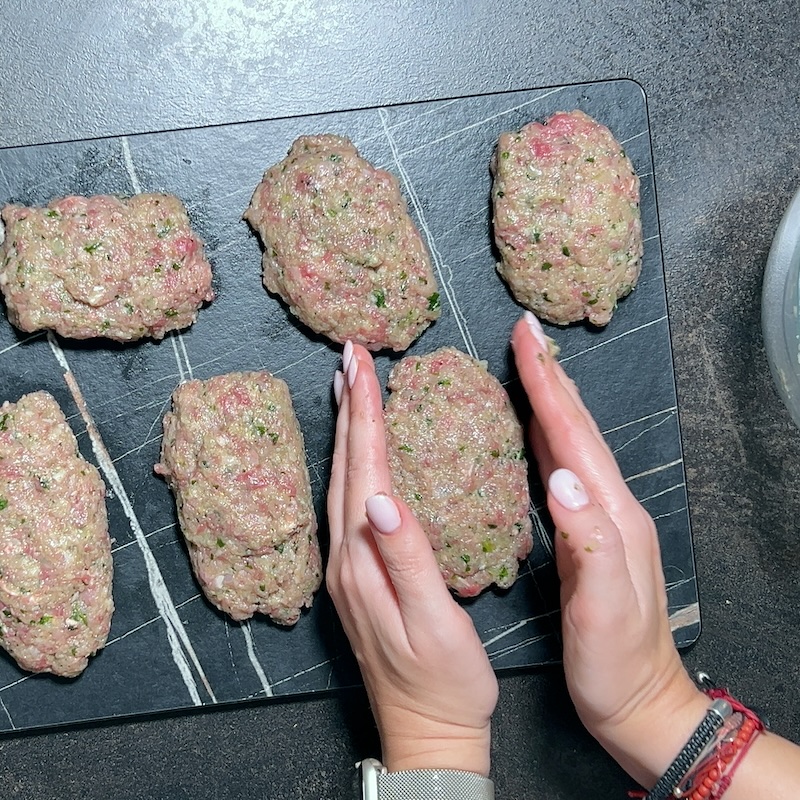
- Coat each schnitzel first in flour, then dip it in beaten egg, and finally coat it in panko breadcrumbs, pressing gently so the crust adheres properly.
- The use of panko is one of the modern refinements, helping create a lighter, crispier exterior while preserving the original spirit of the dish.
Fry the Schnitzels
- Heat vegetable oil in a wide pan over medium heat.
- Fry the schnitzels.
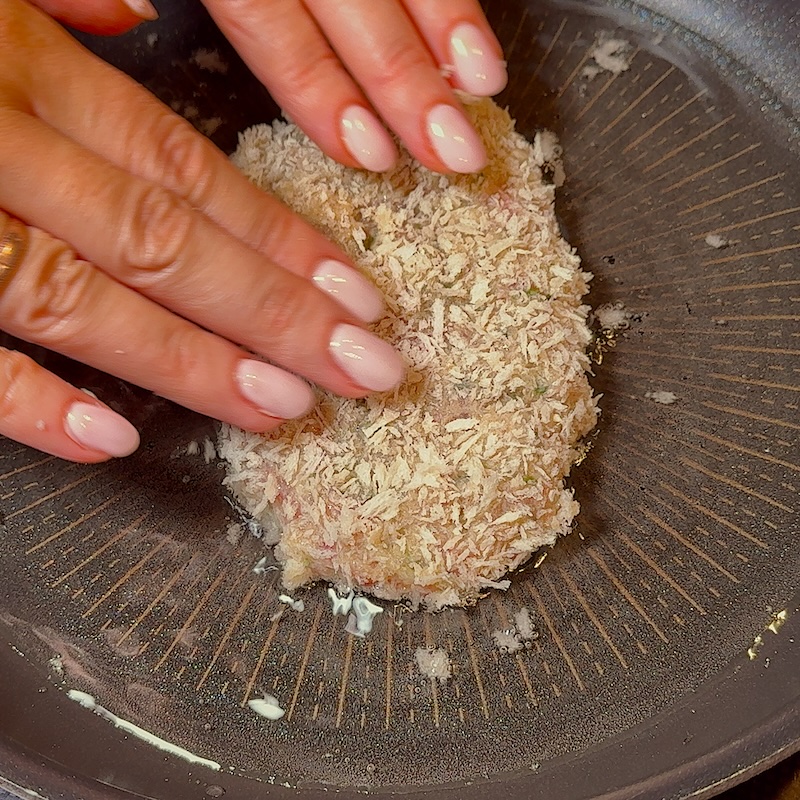
- Fry each one for 3–4 minutes on each side until they are:
- Deep golden brown
- Crispy on the outside
- Juicy and tender on the inside
- Transfer them to paper towels and keep warm while finishing the remaining batches.
- Avoid overcrowding the pan. Fry no more than two schnitzels at a time to maintain oil temperature and ensure proper browning.
- These old Romanian meat schnitzels with panko crust and walnut anchovy butter deliver a texture that feels both nostalgic and remarkably modern.
Prepare the Walnut-Anchovy Butter Sauce
- Melt the butter in a small saucepan over low heat.
- Add the anchovy fillets.
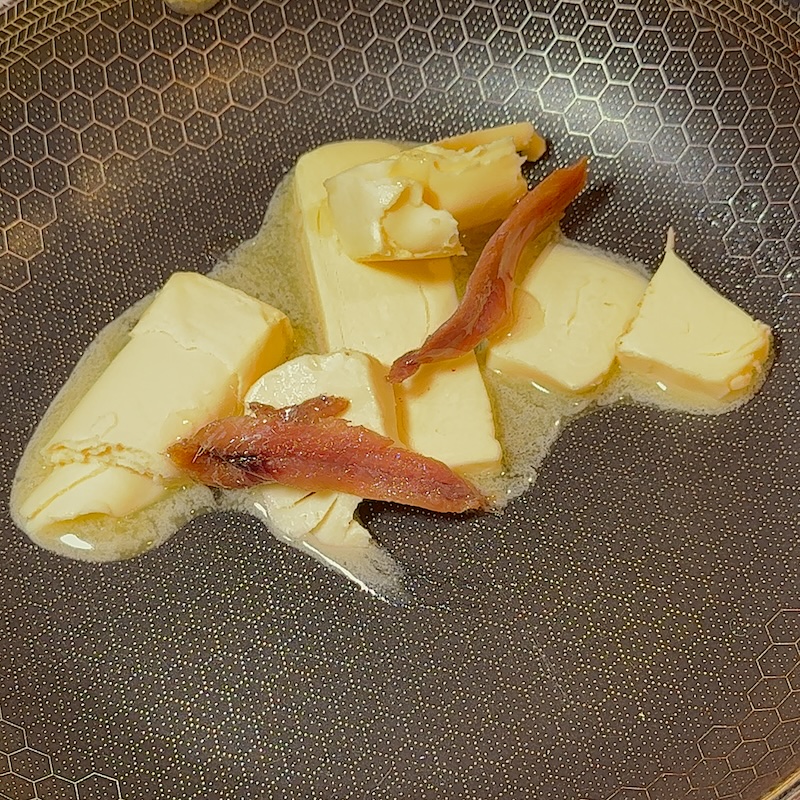
- Cook until they dissolve completely into the butter. This creates a deep, savory foundation.
- Add the chopped walnuts and cook for 3–4 minutes, allowing them to become lightly golden and aromatic.
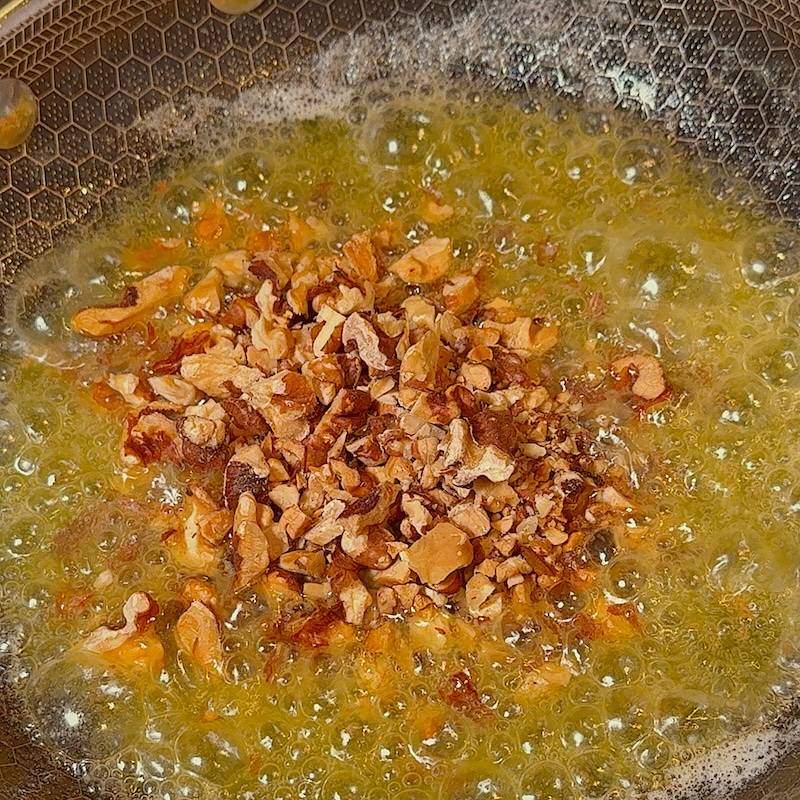
- Remove from the heat and add the grated garlic and pepper.
- The sauce should remain warm, not hot, and retain some texture from the walnuts.
Assembly and Serving
- Spread a generous layer of fermented sour cream onto each plate.
- Place 2–3 schnitzels per portion on top of the cream.
- Spoon the warm walnut-anchovy butter over the schnitzels.
- Sprinkle with freshly chopped parsley.
- Optionally, add a few drops of fresh lemon juice and pepper flakes for brightness and contrast.
This final presentation transforms the dish into a refined version of a traditional Romanian minced meat schnitzels modern interpretation, preserving its rustic origins while enhancing its balance and structure.
The Original Recipe (English Translation)
I will leave the original recipe here as well, so you can try it as it is before trying out our version:
Minced Meat Schnitzel
Mince half a kilogram of beef and an equal amount of poultry meat, to which add a small bread roll soaked in water and well squeezed. Add one egg, one small onion, and green parsley, finely chopped, pepper, salt, and a little grated lemon peel, all mixed well together.
From this mixture, form schnitzels about the thickness of a finger. Coat them in crushed breadcrumbs, then fry quickly in hot lard until browned on both sides.
These schnitzels may be served either with lemon slices and potato salad, or with hot sardine butter poured over them, or on mashed potatoes.
What Changed and Why: Modernizing the Recipe Without Losing Its Identity
The original recipe was already remarkably advanced. The combination of beef and poultry ensured both depth of flavor and tenderness. The soaked bread improved moisture retention, preventing dryness. Lemon zest added brightness and complexity. Even the suggestion of sardine butter demonstrated a sophisticated understanding of umami and fat as flavor carriers.
The first major modernization was replacing traditional breadcrumbs with panko. Panko creates a lighter, crispier crust and absorbs less oil, improving both texture and digestibility. This aligns the recipe with modern preferences while preserving its essential structure.
The second major refinement was evolving the sardine butter into a walnut-anchovy butter. Anchovies preserve the original umami foundation, while walnuts add texture, complexity, and nutritional value. Walnuts are rich in omega-3 fatty acids, antioxidants, and healthy fats, making them not only flavorful but also nutritionally beneficial. This transformation respects the original intent while enhancing both flavor and structure.
The addition of sour cream as a base was inspired by another traditional Romanian preparation called tocinei, a rustic potato dish, similar to hash browns, often served with fermented cream. Sour cream introduces acidity and freshness, balancing the richness of the fried meat and butter sauce. It also improves mouthfeel and makes the dish feel more complete.
From a nutritional perspective, the mixed meat approach improves balance. Poultry reduces overall saturated fat compared to pure beef. Panko reduces oil absorption. Walnuts contribute beneficial fats and micronutrients. The result is a dish that feels lighter and more balanced, while remaining deeply rooted in tradition.
These changes transform the recipe without replacing its identity. Instead, they reveal its full potential.
Historical Context: The Origins of Romanian Minced Meat Schnitzels
Ecaterina Comșa's Buna Menajeră was more than a cookbook. It was a guide to modern domestic life in early 20th century Romania. Published in 1902, it helped standardize cooking practices at a time when Romania was transitioning toward urbanization and modernization.
This recipe reflects strong Central European influences. Similar preparations exist in Austrian, German, and Eastern European cuisines, where minced meat patties were common due to their efficiency and versatility.
The anchovy or sardine butter component reflects French culinary influence, which was highly respected in Romania at the time. French cuisine represented refinement, and its techniques were often integrated into Romanian cooking.
Economically, minced meat dishes allowed families to use smaller amounts of expensive meat while maintaining nutritional value and flavor.
Long before industrial nuggets existed, Romanian cooks, along with cooks all over Europe, were already preparing their own version using simple, honest ingredients.
Frequently Asked Questions
Recipes like this often raise questions, especially when bridging traditional and modern cooking methods.
Q: Are minced meat schnitzels really similar to modern nuggets?
A: Yes. Structurally, they are very similar. Both use seasoned minced meat that is shaped, breaded, and fried. The main difference is ingredient quality and preparation method.
Q: Why combine beef and chicken instead of using just one type of meat?
A: The combination improves both flavor and texture. Beef provides richness, while poultry adds tenderness and lightness, resulting in a more balanced final product.
Q: Why add lemon zest to the meat mixture?
A: Lemon zest enhances aroma and brightness. It cuts through richness and improves overall flavor complexity without making the dish taste sour.
Q: Why use anchovies in the sauce?
A: Anchovies dissolve into the butter and provide umami depth. They enhance flavor without making the dish taste fishy.
Q: Can these schnitzels be baked instead of fried?
A: Yes. They can be baked at 200°C for about 18–20 minutes, turning halfway through. However, frying produces a superior crust and texture.
Conclusion
To wrap things up, it's safe to say that this recipe should remind us that many modern foods are simply rediscoveries of older culinary wisdom. Because, like many other examples, these Romanian minced meat schnitzels also existed long before nuggets became industrial products.
By refining technique, improving balance, and respecting the original structure, we can bring these forgotten recipes back into everyday cooking.
The full video for this recipe is available below and on our YouTube channel, so don't forget to like and subscribe for more recipes that rediscover and reinterpret culinary history.
Nutrition Facts / Serving
- Calories: 520 kcal
- Total Fat: 32 g
- Cholesterol: 145 mg
- Sodium: 680 mg
- Potassium: 520 mg
- Total Carbohydrate: 22 g
- Sugars: 3 g
- Protein: 34 g