Winter Whispers: Chestnut Cupcakes
Chestnut Cupcakes, a festive blend of roasted chestnuts, fluffy meringue, and sweet apricots.

Servings
.svg)
Prep Time

Cook Time

Ingredients

Total Time
Ingredients
- 250 g chestnut flour
- 6 egg whites
- 1 teaspoon lemon juice
- 150 g butter
- 150 g sugar
- 6 egg yolks
- 1 teaspoon baking powder
- 1 teaspoon vanilla essence
- 100 g dried apricots, chopped
- A little oil or cooking spray for greasing
- Optional: 50–60 g white chocolate, 1 tablespoon milk, berries, rosemary
Equipment
- Oven
- Baking tray
- Mixer
- Bowls
- Food processor
- Muffin tray
- Paper muffin cups
Instructions
There’s something magical about the way the smell of chestnuts fills a home with warmth, memory, and unmistakable winter charm.
Even though I didn’t grow up eating chestnuts from a very young age, their aroma has always drawn me in. There’s a softness, a story, and a sense of nostalgia hidden inside every chestnut shell.
This year, I wanted to bring that feeling to our Christmas table—and hopefully to yours as well.
These chestnut cupcakes were inspired by a cake I once tasted in Madeira many years ago, a dessert that made an unexpected but lasting impression.
Today, with a bit of creativity, personal flair, and plenty of seasonal joy, I’m transforming that memory into a fluffy, elegant cupcake that celebrates the season in every bite.
Whether you’re new to baking with chestnut flour or you’ve been enjoying chestnuts for years, this recipe is easy, festive, and deeply aromatic.
So let’s get started and bring a little Christmas magic into your kitchen.
How to Make Chestnut Cupcakes
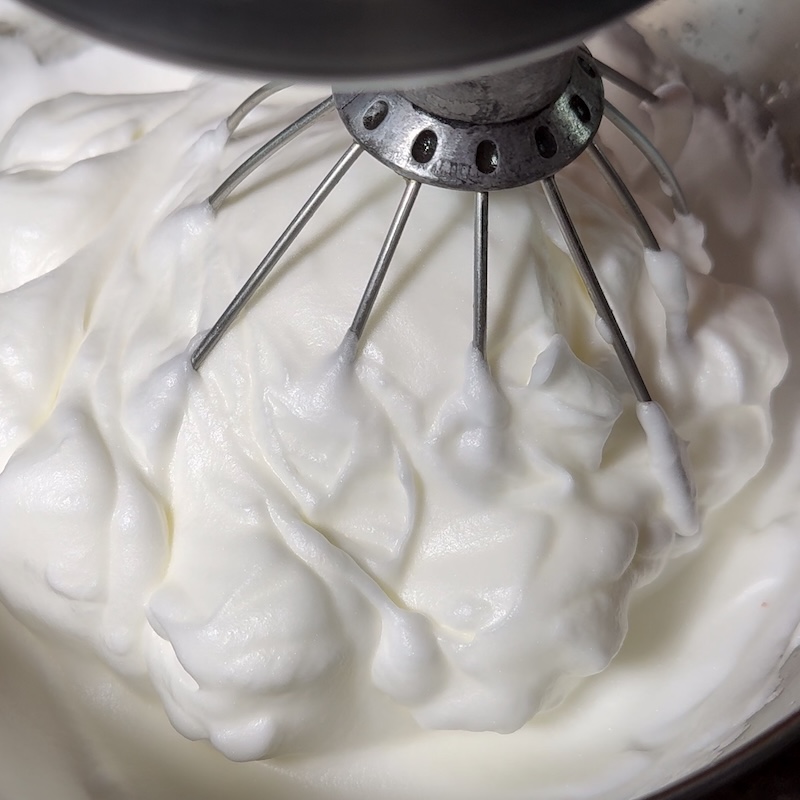
- Whip the Egg Whites: In a mixer, beat the egg whites with lemon juice for 2–3 minutes until stiff peaks form.
- Prepare the Batter: Sift the chestnut flour to maintain a velvety, lump-free texture.
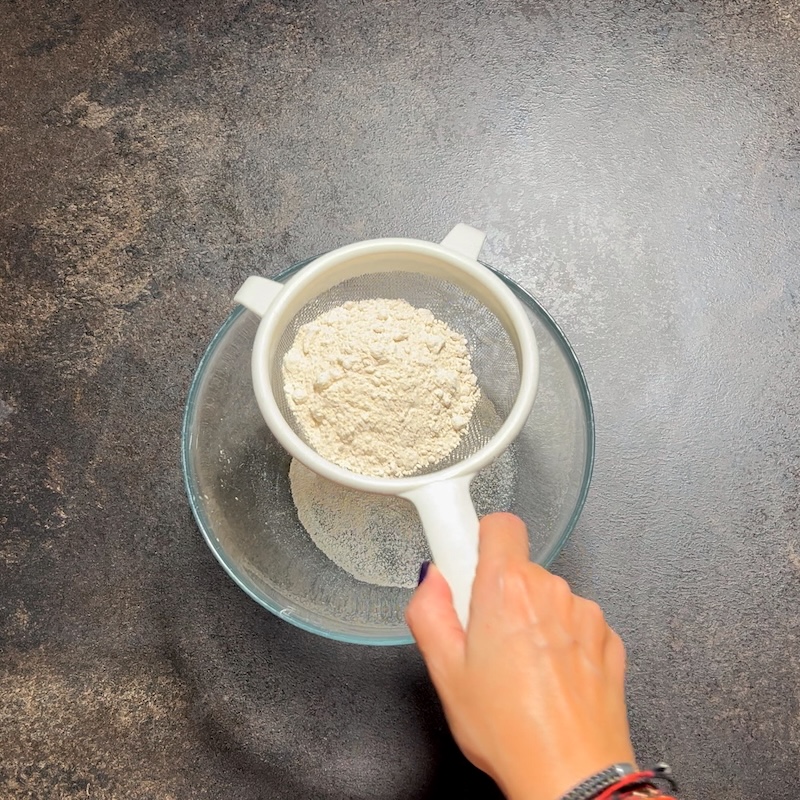
- In a separate bowl, mix soft butter with sugar, vanilla, and egg yolks until creamy.
- Combine: Add the chestnut flour and baking powder to the yolk mixture.
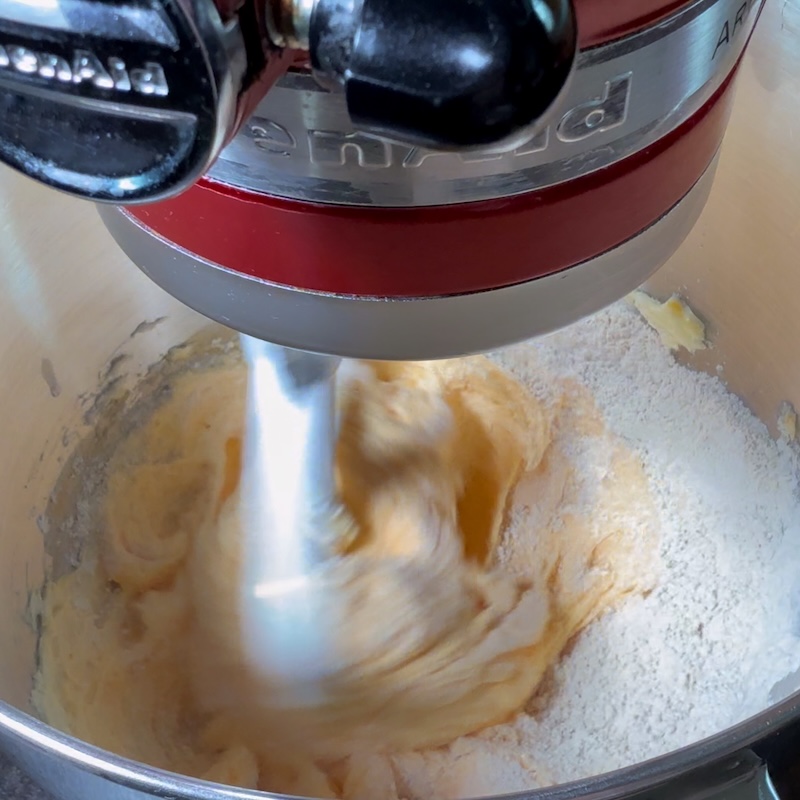
- Stir in the chopped dried apricots.
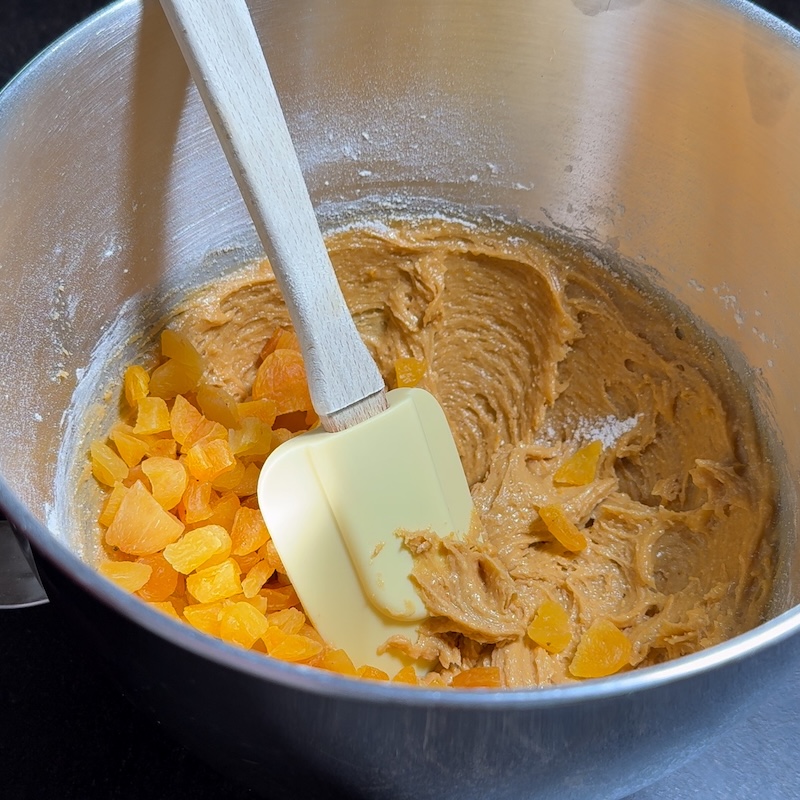
- Gently fold in the egg whites by hand—this keeps the batter fluffy.
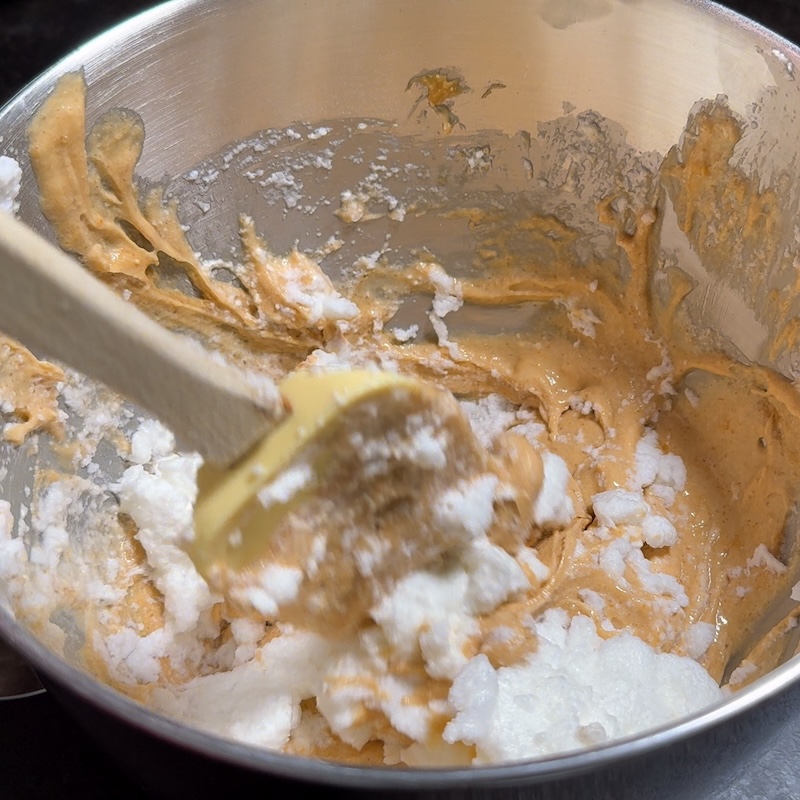
- Bake: Grease a muffin tray and line with paper cups.
- Fill each cup with batter (a measuring cup makes this easy).
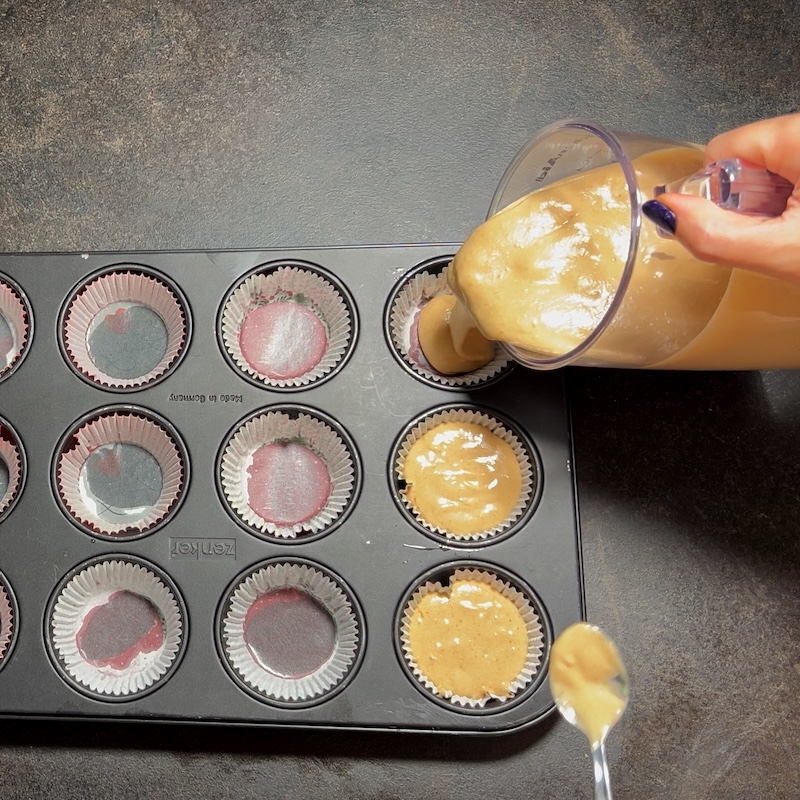
- Bake at 160°C for 35–40 minutes.
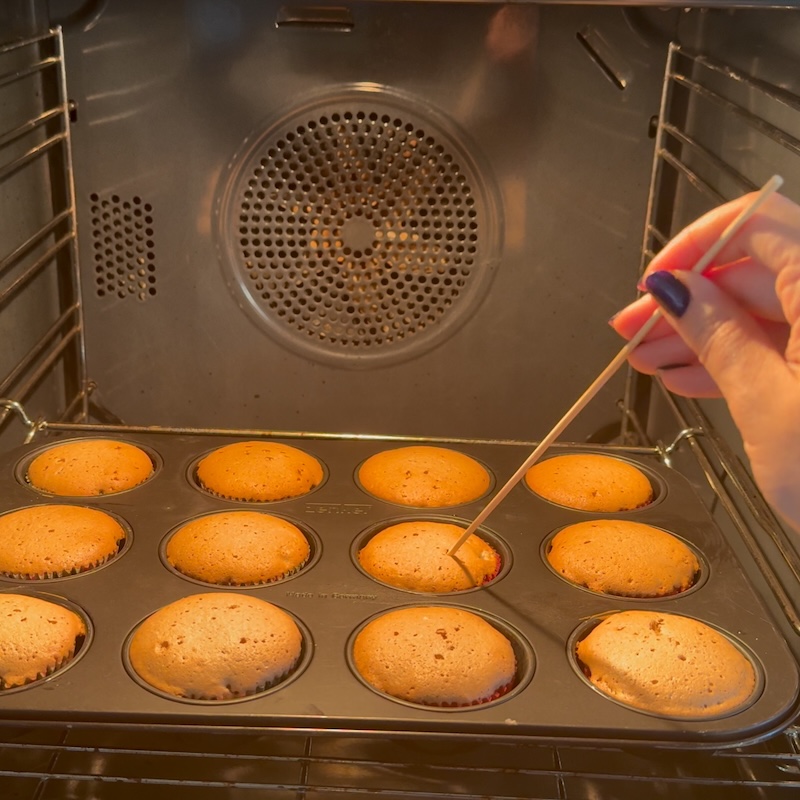
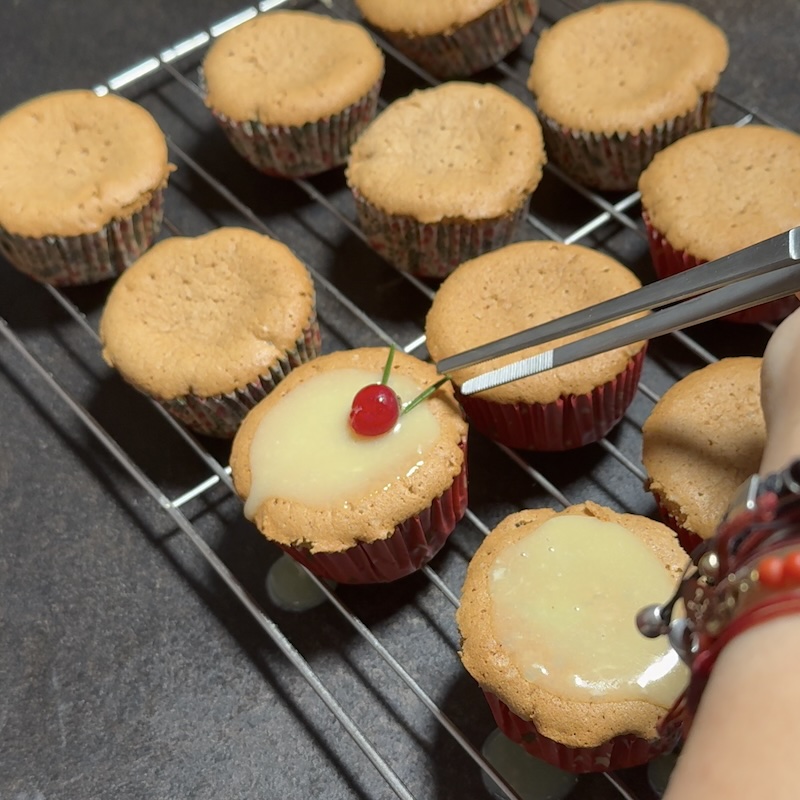
- Cool completely.
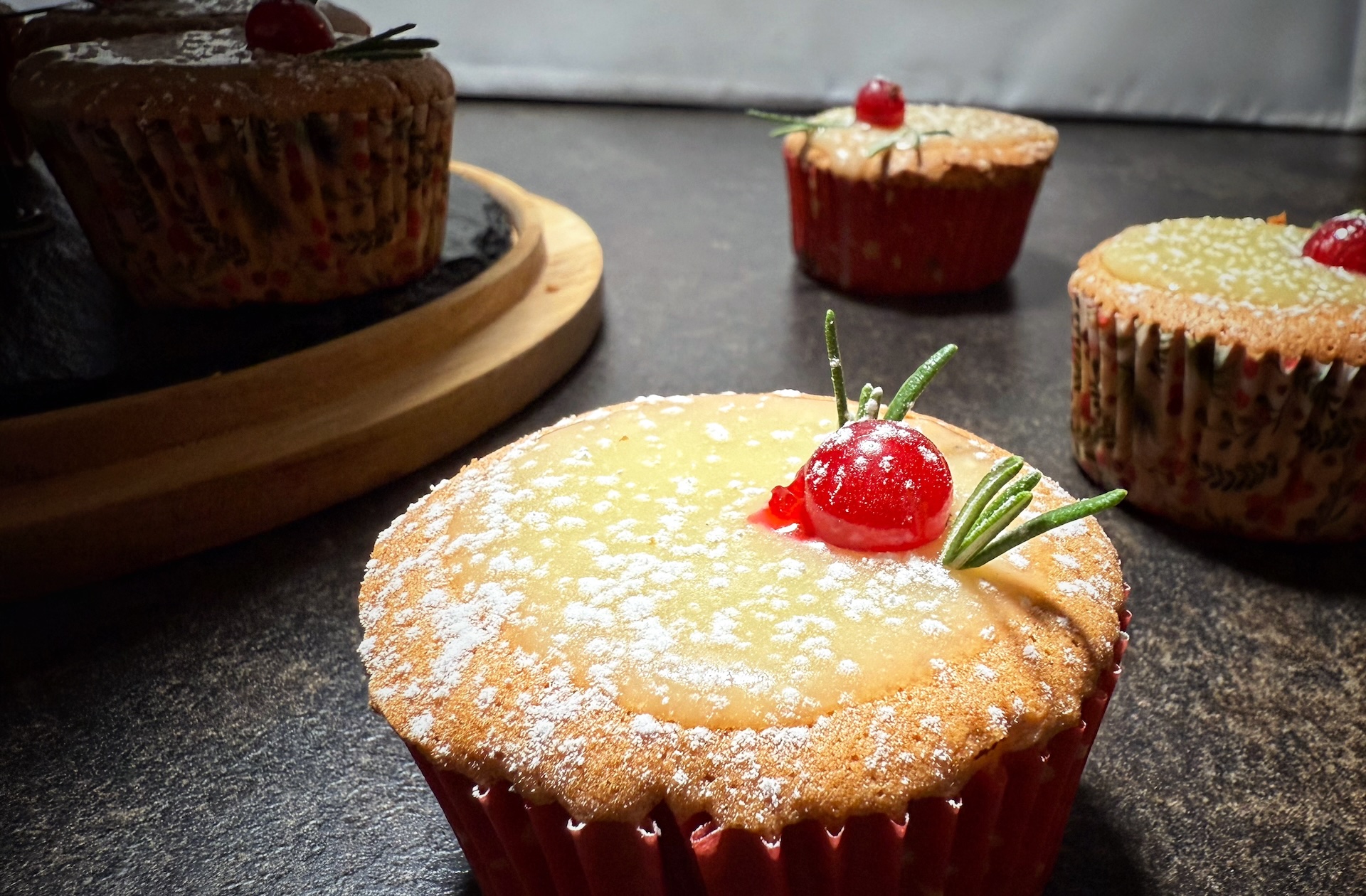
- Optional Topping: Melt white chocolate with 1 tablespoon of milk, then drizzle it over the cooled cupcakes. Top with a berry and rosemary for a festive look.
Behind the Recipe: Inspiration, Origins & Our Adaptation
The Winter Magic of Chestnuts
Chestnuts have long been tied to winter celebrations across Europe, from street vendors roasting them over open flames to families gathering around holiday tables.
Their subtle sweetness and soft, starchy texture make them unique among nuts, which is why they shine so beautifully in desserts.
A Memory From Madeira
My own journey with chestnuts didn’t begin in childhood, but rather during travels—especially one unforgettable moment in Madeira.
There, I tasted a traditional chestnut cake that was both rustic and refined, something that lingered in my memory far longer than I expected.
That cake became the seed for this recipe.
From Cake to Cupcakes: How We Adapted It
While the Madeiran version uses whole chestnuts or chestnut purée, I decided to modernize and simplify the process by using chestnut flour, which offers all the flavor with a smoother, airier texture.
In our home, adaptations always come from practicality, taste, and the desire to craft dishes that feel personal.
Folding the egg whites into the batter keeps these cupcakes ultra-light—almost like a sponge cake—but with that unmistakable, wintry chestnut aroma.
The addition of dried apricots adds playful chewiness and natural sweetness, creating layers of texture without overwhelming the delicate chestnut flavor.
Why Chestnut Flour Is Special
Nutritionally, chestnuts are unique among nuts. They are naturally low in fat, rich in fiber, and packed with vitamin C, minerals, and slow-release carbohydrates.
That makes these healthy chestnut cupcakes feel indulgent without being heavy.
Chestnut flour is also gluten-free, which has historically made it a pantry staple in mountainous regions of Italy, France, and Portugal where wheat was scarce.
Today, it’s gaining popularity again thanks to its versatility and nutritional benefits.
A Blend of Memory and Modernity
This recipe blends heritage and modernity, memory and experimentation. It holds a little bit of traditions, a little bit of Christmas, and a lot of heart.
FAQs
Before we wrap up, here are the most frequently asked questions about chestnuts and chestnut desserts:
Q: How is chestnut flour made?
A: Chestnut flour is traditionally made by drying peeled chestnuts—either over low heat or in the sun—until they become completely hard.
Once fully dried, they are finely ground into a soft, naturally sweet flour. The drying process concentrates the flavor and extends the shelf life.
Q: How to make chestnut flour from scratch?
A: If you want to make it at home, start by roasting or boiling chestnuts, then peeling them well.
Dry the peeled chestnuts thoroughly in a low oven (around 70–90°C) until they are crisp.
Once dry, grind them in a high-speed blender or food processor until very fine. Finally, sieve the powder to remove any coarse bits. It’s a time-consuming process, but the results are wonderfully aromatic.
Q: What is chestnut flour good for?
A: Chestnut flour is incredibly versatile. Thanks to its natural sweetness and smooth texture, it’s ideal for cakes, cupcakes, pancakes, crepes, muffins, quick breads, and even pasta.
It also works beautifully in gluten-free baking, adding structure without heaviness. In savory dishes, it can enrich soups, stews, and stuffing mixes.
Q: Can chestnut flour be eaten raw?
A: Technically, yes—it is safe to eat raw chestnut flour. However, its flavor develops much more fully when it’s cooked or baked. Heat brings out chestnuts’ natural sweetness and removes any slightly starchy aftertaste.
Q: What makes chestnut flour different from other flours?
A: It has a natural sweetness, a soft crumb, and is gluten-free, making it ideal for tender bakes like cupcakes, cakes, and pancakes.
Conclusion
I hope you’ll try these fluffy chestnut cupcakes and bring their winter aroma into your own home. If you do, don’t forget to tag us—I love seeing your festive creations!
The full video for this recipe is available on YouTube, so make sure to check it out, and don’t forget to like and subscribe for more delicious holiday dishes.
Nutrition Facts / Serving
- Calories 294
- Total Fat 13 g
- Cholesterol 33 mg
- Sodium 154 mg
- Potassium 411 mg
- Total Carbohydrate 42 g
- Sugars 24 g
- Protein 3 g