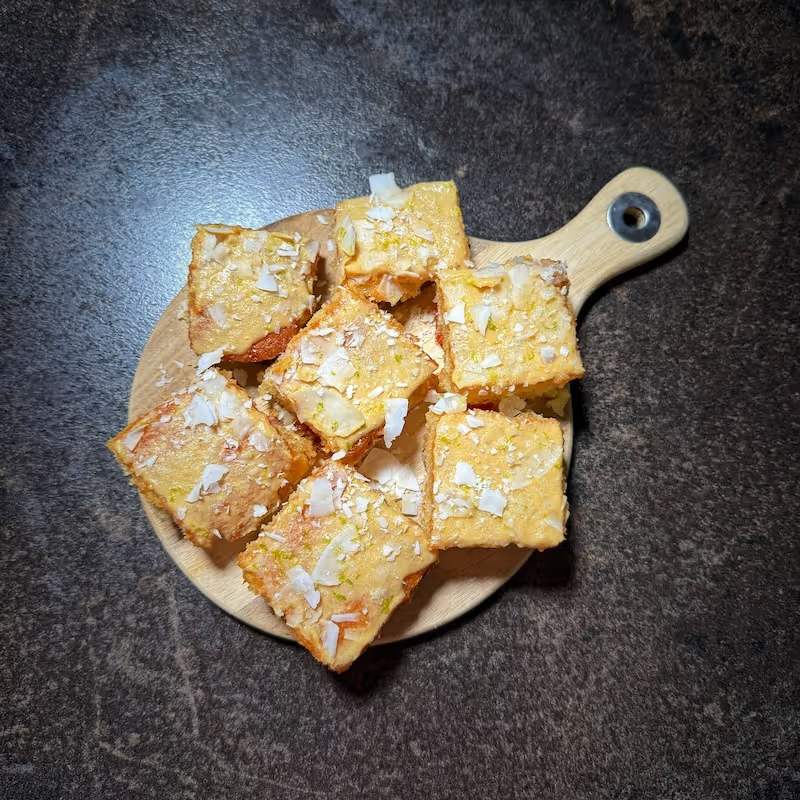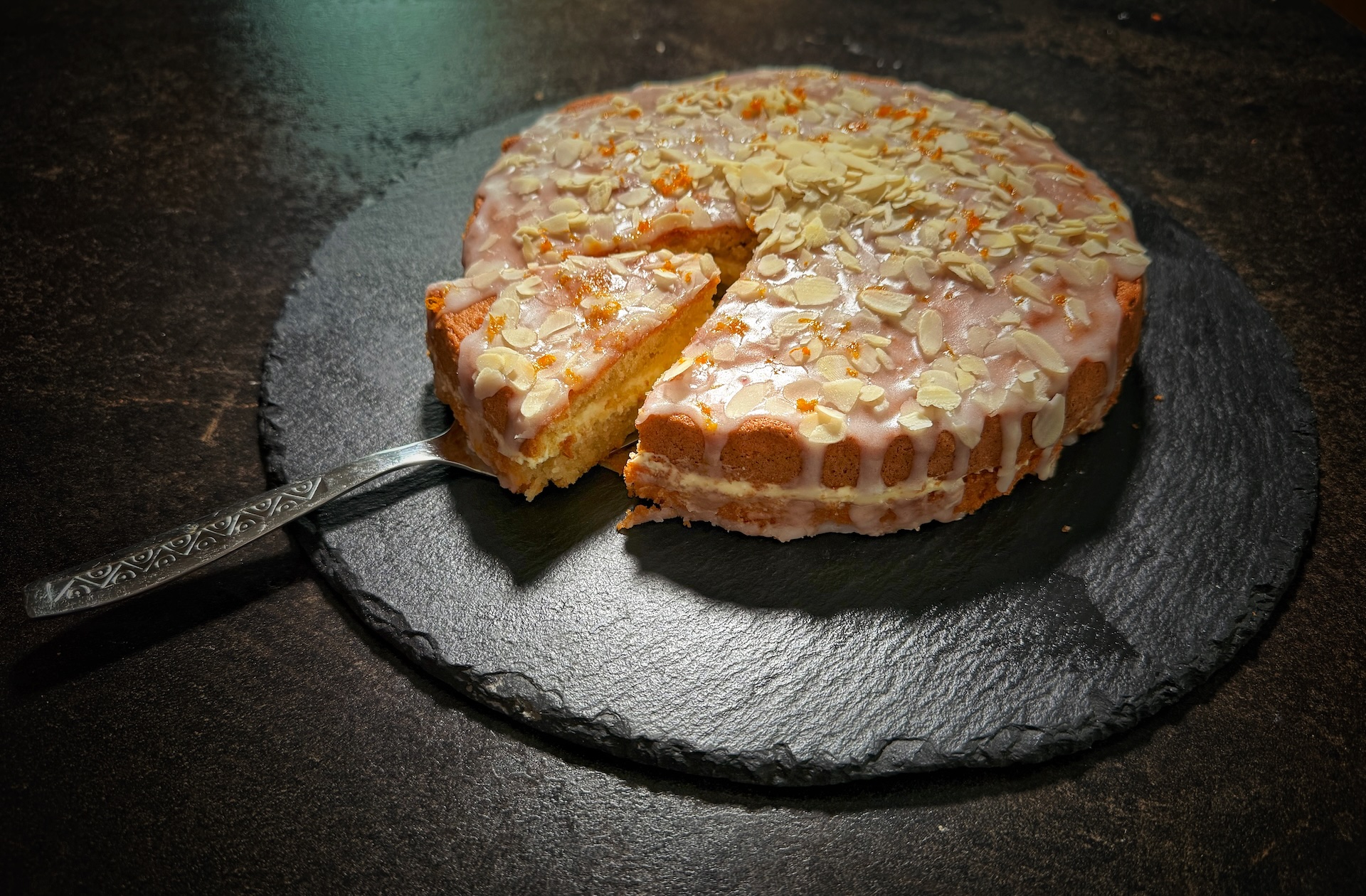
Orange Almond Cake
Moist orange almond cake with ginger cream and fondant. Naturally gluten-free, tender, elegant, and built for perfect texture without syrup.

Servings
.svg)
Prep Time

Cook Time

Ingredients

Total Time
Ingredients
Almond Sponge
- 4 eggs, separated
- 150 g sugar (50 g whites, 100 g yolks)
- 120 ml grapeseed oil
- 50 g plain yogurt
- 1 tbsp lemon juice
- 280–300 g almond flour
- 1 tsp baking powder
- ¼ tsp baking soda
- 1½ tsp ground ginger
- 1 pinch salt
Orange Cream
- 100 ml fresh orange juice
- 1 egg yolk
- 30 g sugar
- 10 g cornstarch
- 10 g butter
Cream Layer
- 200 g cream cheese
- 100 g cottage cheese
- 50 g sugar
Fondant
- 150 g powdered sugar
- 1–2 tsp water
- 4–5 drops orange extract
Decoration
- 20 g almond flakes
- Fresh orange zest
Equipment
Instructions
Today I want to talk to you about an absolutely delicious dessert that feels especially right for colder days, when fresh fruit isn’t always at its best. This is a naturally gluten-free dessert, deeply aromatic, balanced, and comforting, without feeling heavy.
Almond flour brings warmth and structure, citrus adds freshness, and ginger gives just enough heat to keep things interesting. It’s the kind of cake that doesn’t rely on syrup or excess sweetness, yet stays tender and moist for days.
Simple in concept, thoughtful in execution, and absolutely delicious from the very first slice.
Instructions
Almond Sponge
- Preheat the oven to 160°C (static heat). Line a 20 cm cake pan.
- In a bowl, combine almond flour, baking powder, baking soda, ginger, and salt.
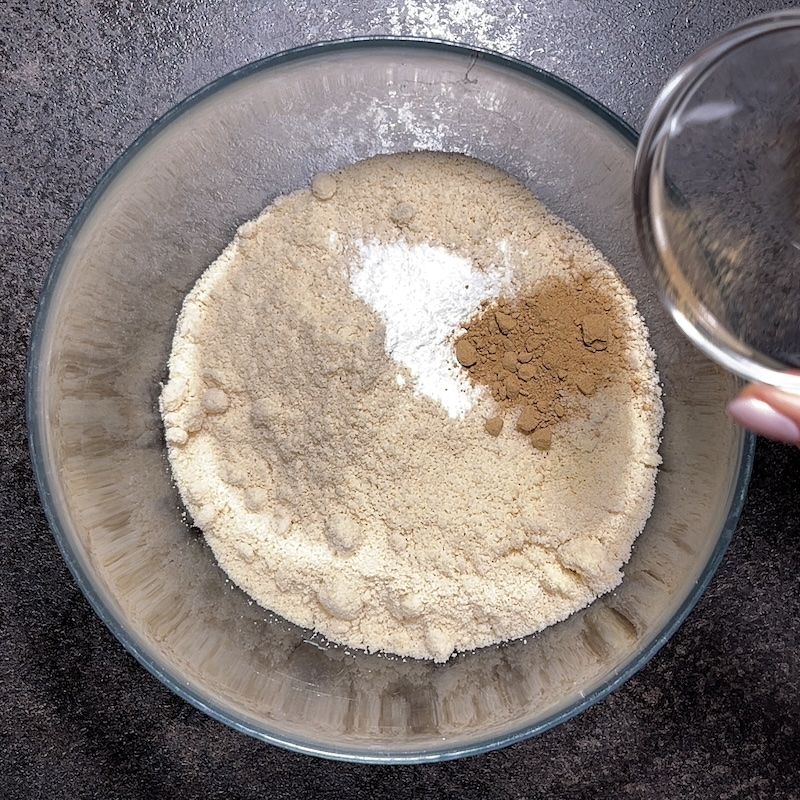
- Set it aside.
- Whip the egg whites with 50 g sugar until stiff peaks form.
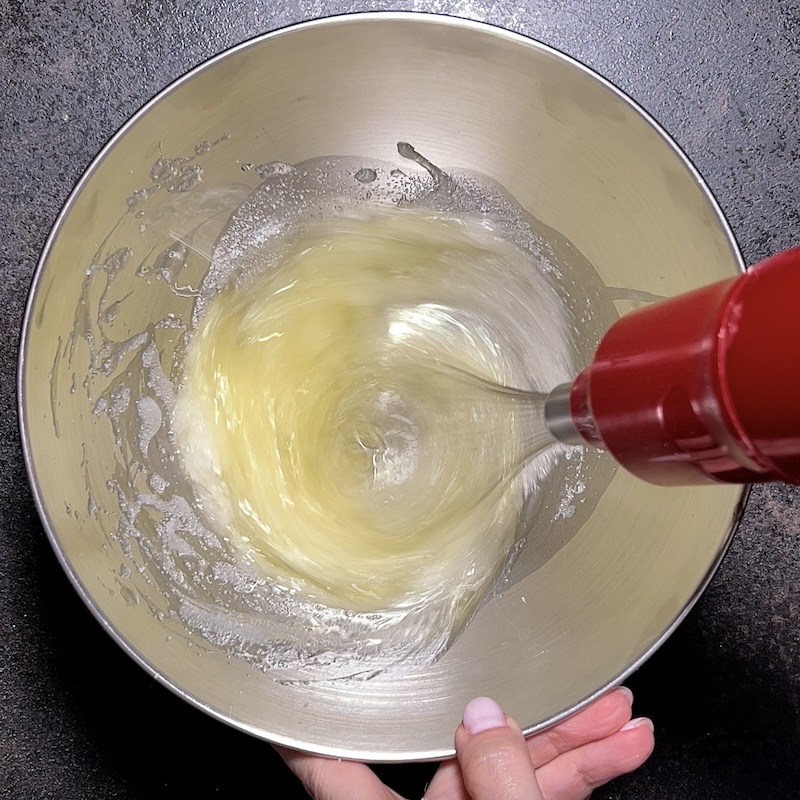
- Set aside.
- Beat the egg yolks with 100 g sugar until pale and creamy.
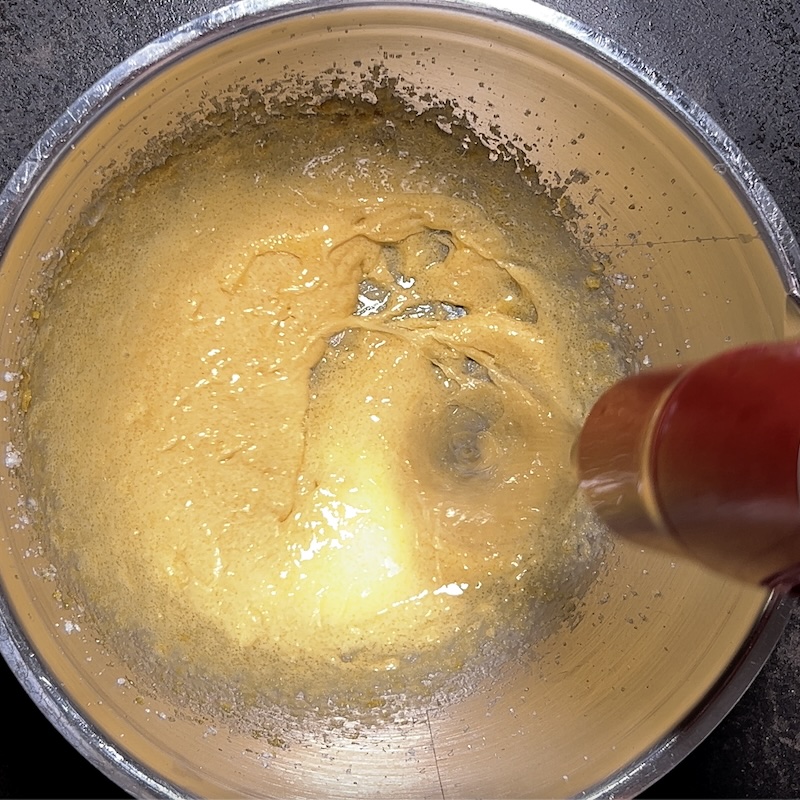
- Add the oil and yogurt to the yolks and mix well.
- Fold the dry ingredients into the yolk mixture.
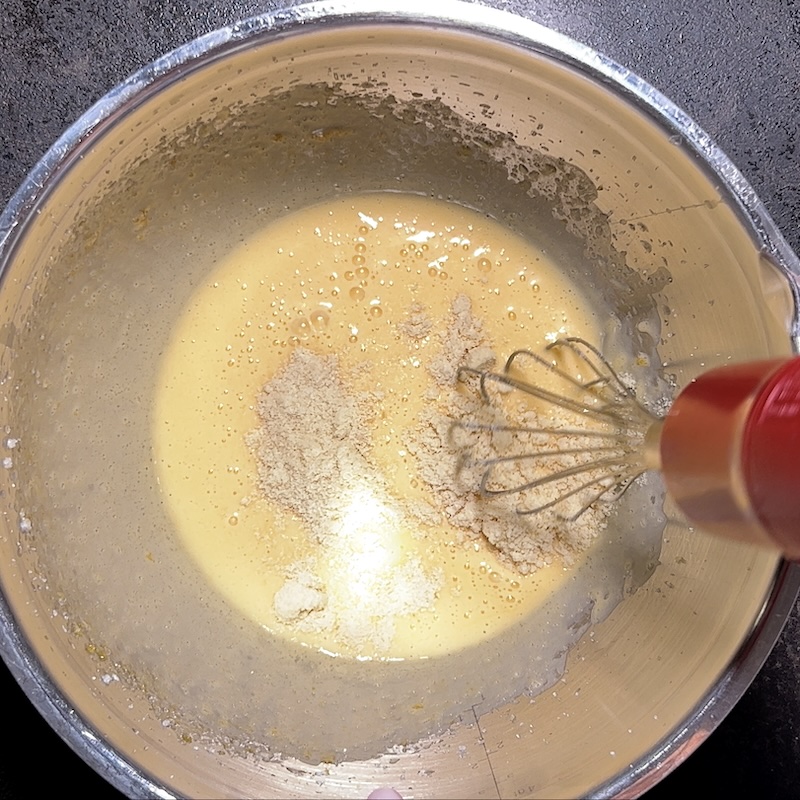
- Gently fold in the whipped egg whites in 2–3 additions using a spatula.
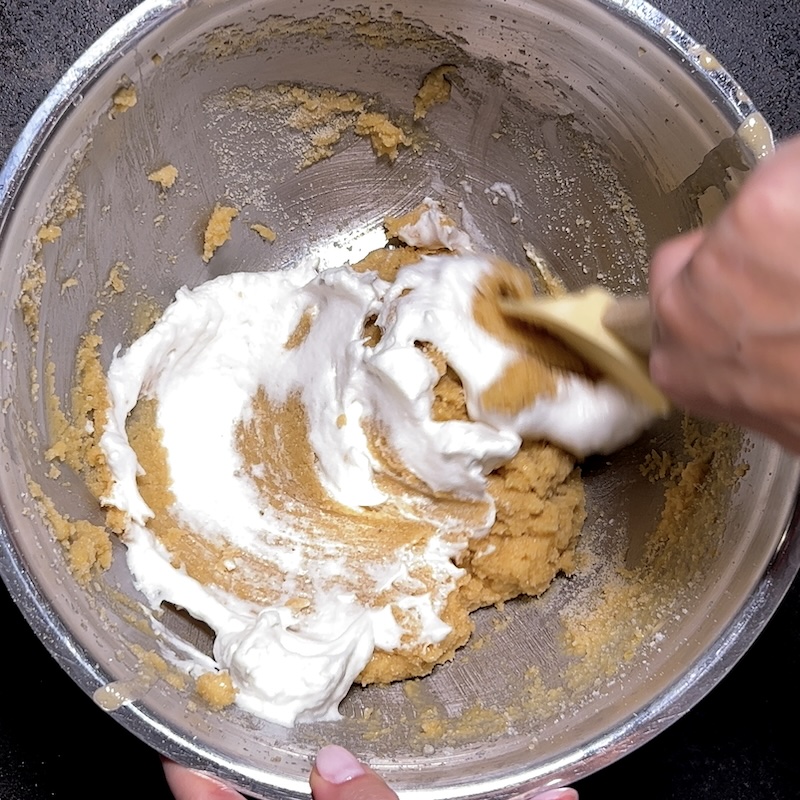
- Pour the batter into the pan and level the surface.
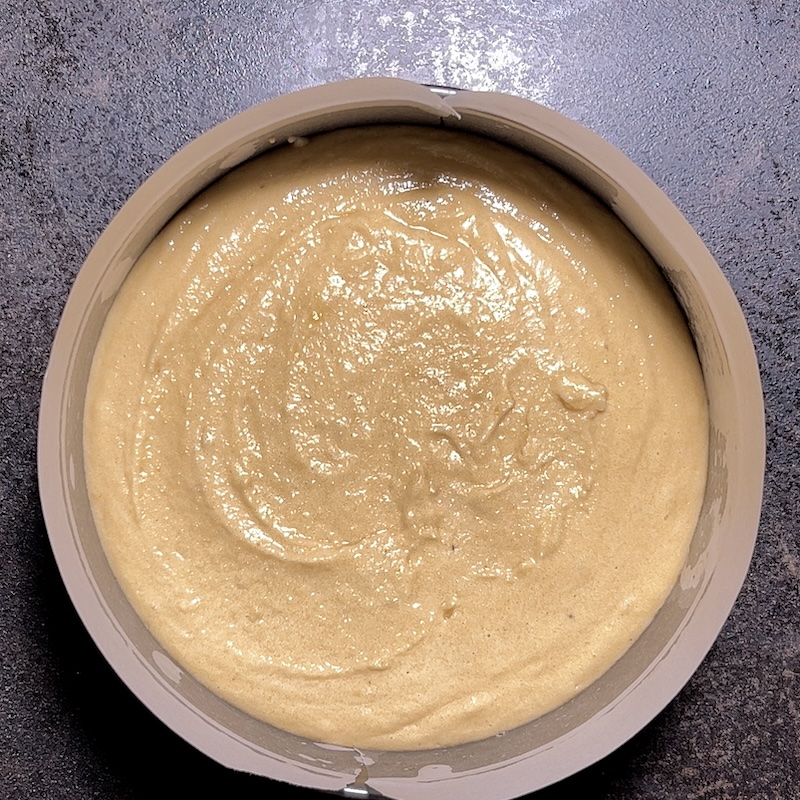
- Bake for 45–55 minutes, until a toothpick comes out clean.
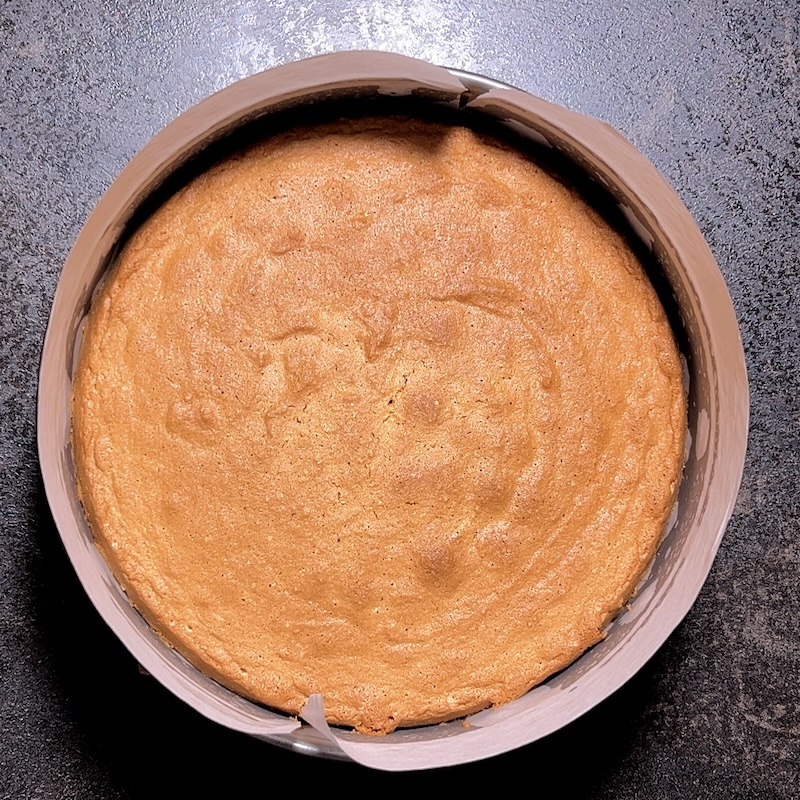
- Let cool completely, then slice horizontally into two layers. I suggest leaving it overnight for the best results.
Orange Cream
- Heat the orange juice until warm, without boiling.
- Whisk the yolk with sugar and cornstarch.
- Temper with the hot juice.
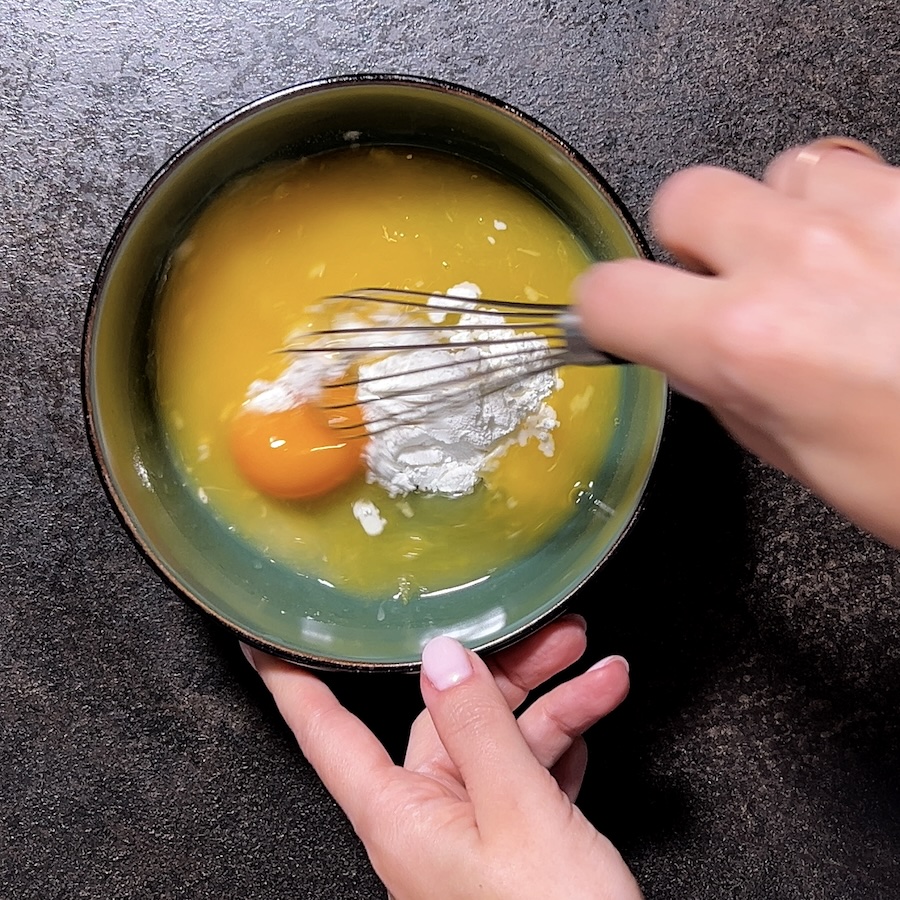
- Then return everything to low heat. If you are not comfortable doing this directly on the stove, I strongly suggest you use a double boiler, or else you will get scrambled eggs.
- Cook gently for about 10 minutes, until lightly thickened but still fluid.
- Remove from the heat and add the butter.
- Cover with plastic wrap directly on the surface and chill completely.
Final Cream
- Beat the cream cheese with cottage cheese and sugar just until smooth.
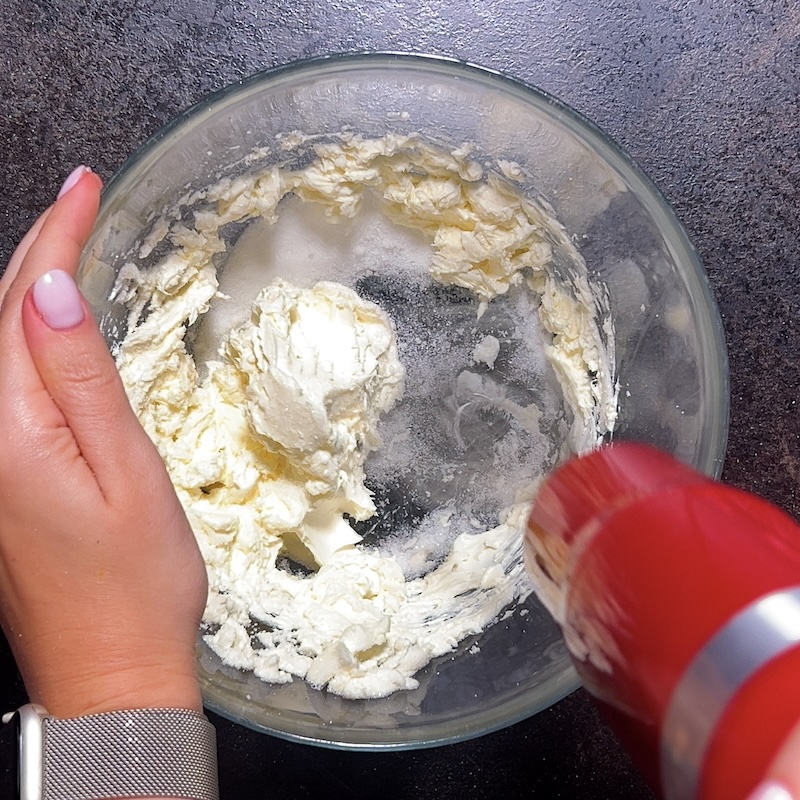
- Fold in the cold orange cream.
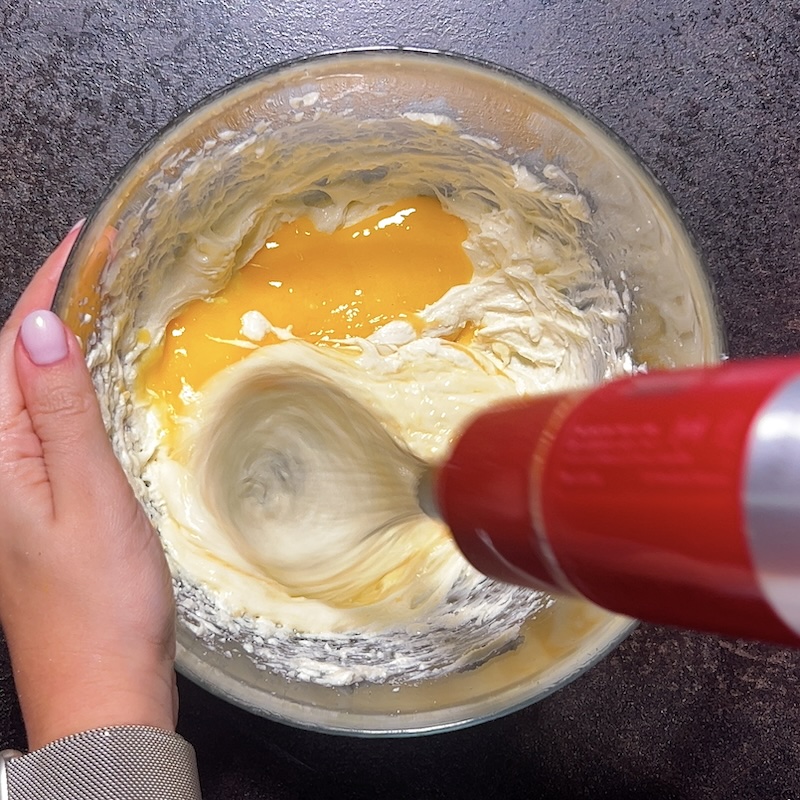
- I like using cottage cheese for a slightly rustic texture. However, for a smoother cream, replace it with more cream cheese.
Assembly
- Place the first cake layer on a plate.
- Spread the cream in a 1–1.5 cm layer.
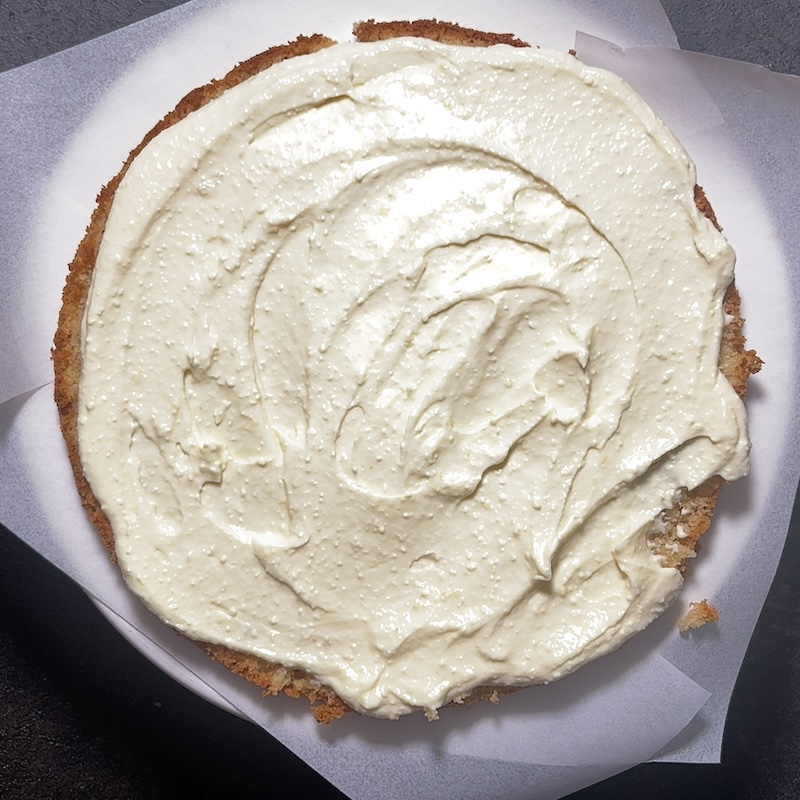
- Top with the second cake layer.
- Press gently and refrigerate for 30–45 minutes.
Fondant & Decoration
- Mix powdered sugar with water and orange extract, drop by drop.
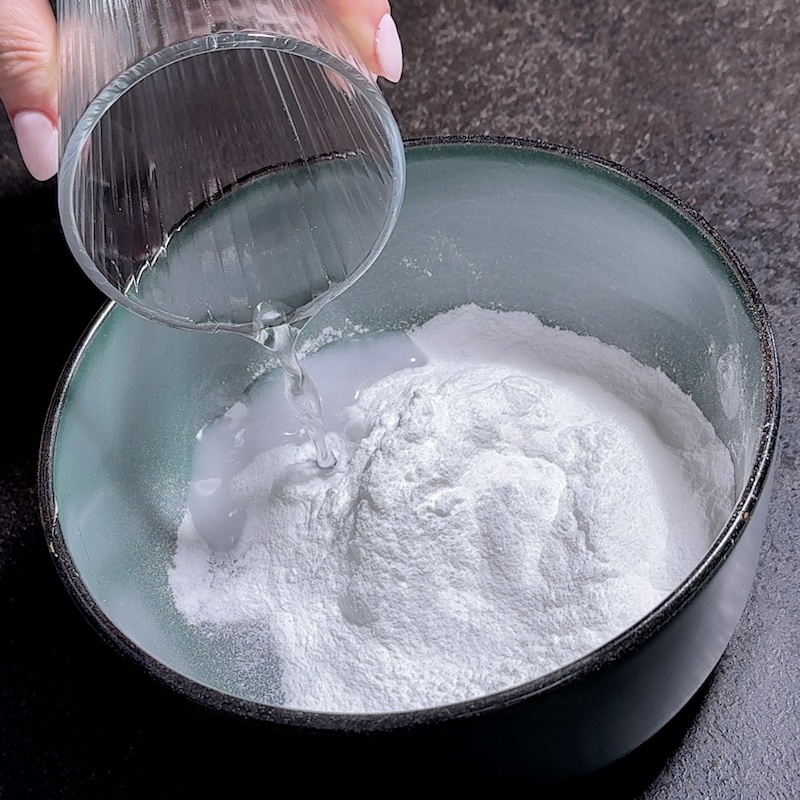
- The glaze should flow slowly and level itself.
- Pour over the cold cake, starting from the center.
- Decorate with toasted almond flakes and fresh orange zest.
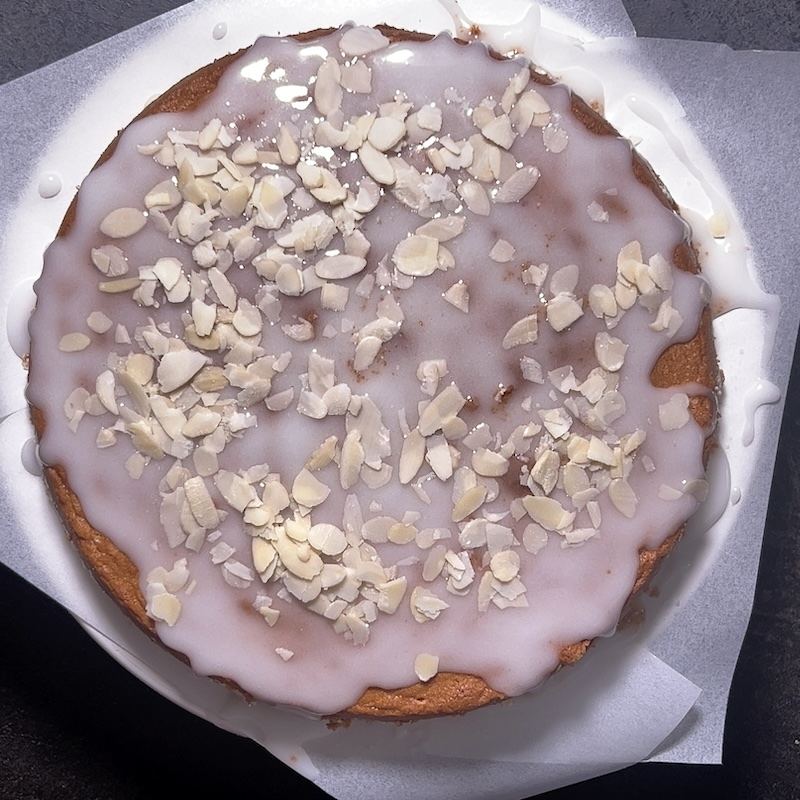
- Refrigerate for at least 8 hours. No syrup needed.
Why This Cake Works So Well
Almonds, Citrus, and Balance
This almond cake is built around fat, protein, and structure rather than liquid additions. Almond flour naturally retains moisture, while eggs provide stability and tenderness. The orange cream adds brightness without overpowering the nutty base, making this one of those almond orange cake combinations that feels timeless.
Cultural Inspiration and Adaptation
Almond-based cakes have a long history across Mediterranean and Central European baking, especially in regions where wheat flour was scarce or avoided. Traditionally, many of these cakes rely on syrups for moisture. In this version, I chose to skip that step and instead focus on batter composition and baking temperature. The result is closer to what I consider the best almond cake: structured, aromatic, and never soggy.
Ginger and Orange: A Cold-Season Pairing
Ginger is used here as a background note, not a dominant flavor. It supports the citrus and enhances warmth, making this cake ideal for colder months. This approach keeps the recipe aligned with modern almond cake recipes that prioritize balance over intensity.
Nutritional Perspective
Thanks to almond flour, this cake is naturally gluten-free and rich in healthy fats and protein. It has a lower glycemic impact compared to traditional wheat cakes and feels more satisfying with smaller portions. It’s an easy almond cake to digest and enjoy, without feeling heavy.
Frequently Asked Questions
Below are some common questions you might have when making this cake for the first time.
Q: Can I make this cake dairy-free?
A: Yes, you can replace yogurt with a plant-based alternative and use dairy-free cream cheese and butter substitutes.
Q: Is this cake suitable for freezing?
A: The sponge freezes well, but the assembled cake is best enjoyed fresh.
Q: Can I replace almond flour with another nut flour?
A: Hazelnut flour works beautifully, though the flavor profile will change.
Q: How long does this cake keep?
A: Stored in the fridge, it stays tender for up to 4 days.
Q: Can I skip the fondant?
A: Yes, the cake works perfectly without it, though it adds a refined finish.
Conclusion
I truly hope you’ll test this recipe at home and enjoy the process as much as the result. If you do, don’t forget to tag us — we love seeing your versions. The full video recipe is available on YouTube, so make sure to check it out, and if you enjoyed it, like the video and subscribe for more thoughtful, home-cooked recipes. Until next time, stay nerdy and keep cooking.