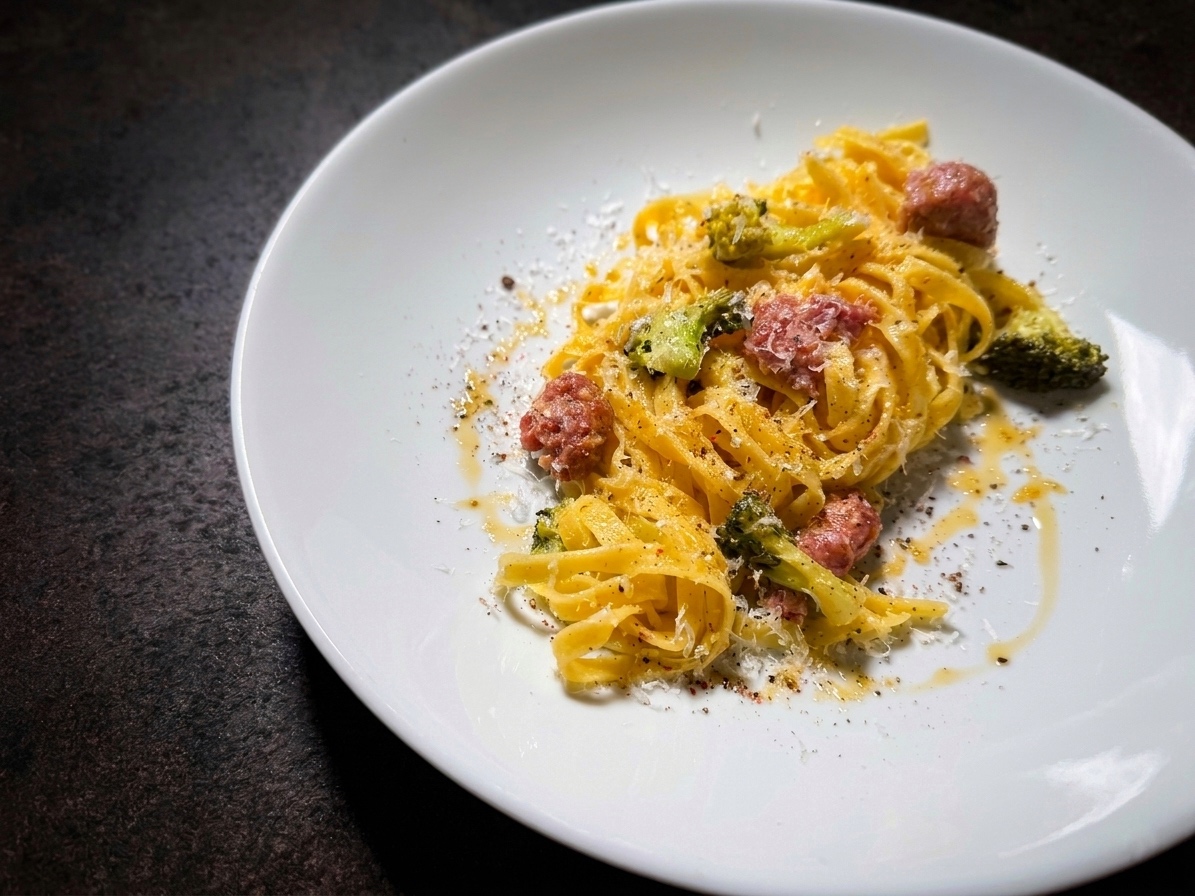
Pasta with Sausage and Broccoli
Silky sausage & broccoli pasta with garlic, chili and white wine—made in one pan with pasta water for an effortless spring dinner in 30 minutes.

Servings
.svg)
Prep Time

Cook Time

Ingredients

Total Time
Ingredients
- 150g broccoli (cut into florets)
- Pasta (about 200 g, any short shape)
- 3 garlic cloves, quartered
- 4 tbsp extra-virgin olive oil, plus more to finish
- Peperoncino (chili flakes), to taste
- 150 g Italian-style sausage, removed from its casing
- 1/2 cup dry white wine
- Salt and freshly ground black pepper
- Parmesan, for serving
Equipment
- Large pot (for blanching broccoli + boiling pasta)
- Large skillet / sauté pan
- Colander
- Chef’s knife + cutting board
- Measuring cup (for wine + pasta water)
- Ladle or heatproof mug (to reserve pasta water)
- Tongs or a pasta fork (for tossing)
- Microplane or grater (for Parmesan)
Instructions
Today I want to tell you about a super classic Italian-style dish that’s unbelievably simple to make—and honestly perfect for this in-between season. When spring is starting to show up, we crave more vegetables and lighter meals… but it’s still too cold (and too early) for truly great, peak-season produce.
That’s why this Italian sausage and broccoli pasta is such a win: pantry-friendly, cozy, fast, and packed with flavor. You get the comfort of pasta, the richness of sausage, and the freshness of broccoli—finished with Parmesan, black pepper, and good olive oil.
Instructions
- Blanch the broccoli: Bring a pot of salted water to a boil. Add broccoli florets and blanch until bright green and just tender (about 2–3 minutes), then transfer them to an ice-water bath.
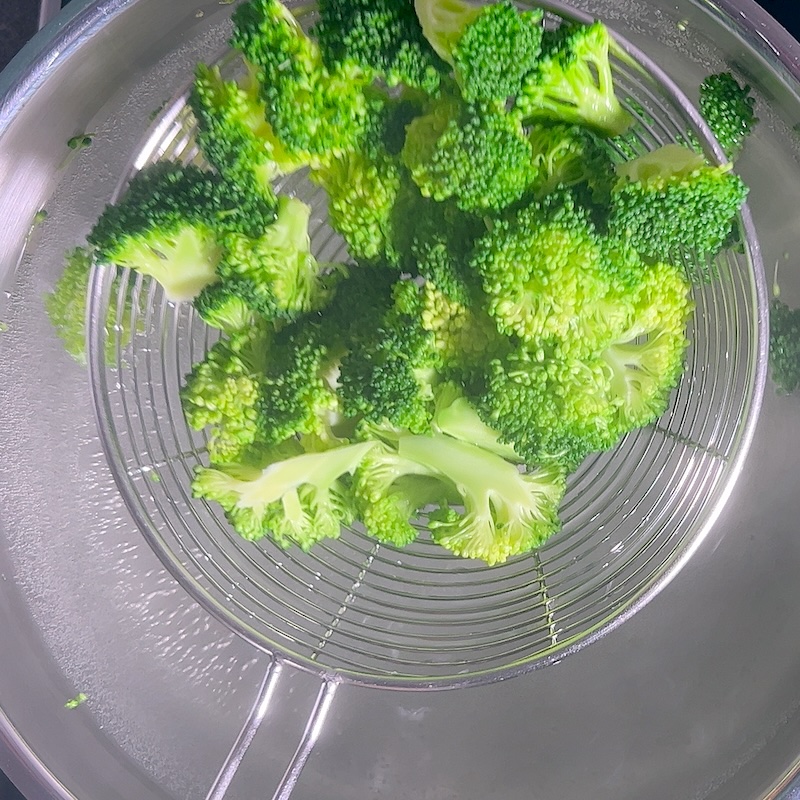
- Keep the water—you’ll cook the pasta in the same pot.
- Cook the pasta in that same broccoli water until al dente. Reserve a small cup of pasta water before draining.
- Build the flavor base. In a large pan, warm 4 tbsp olive oil over medium heat. Add the sliced garlic and pepperoncino. Sauté gently until fragrant (don’t brown the garlic).
- Cook the sausage. Add the sausage (out of the casing). Let it cook about 3 minutes on one side, then flip/stir and cook another 2 minutes, until nicely browned.
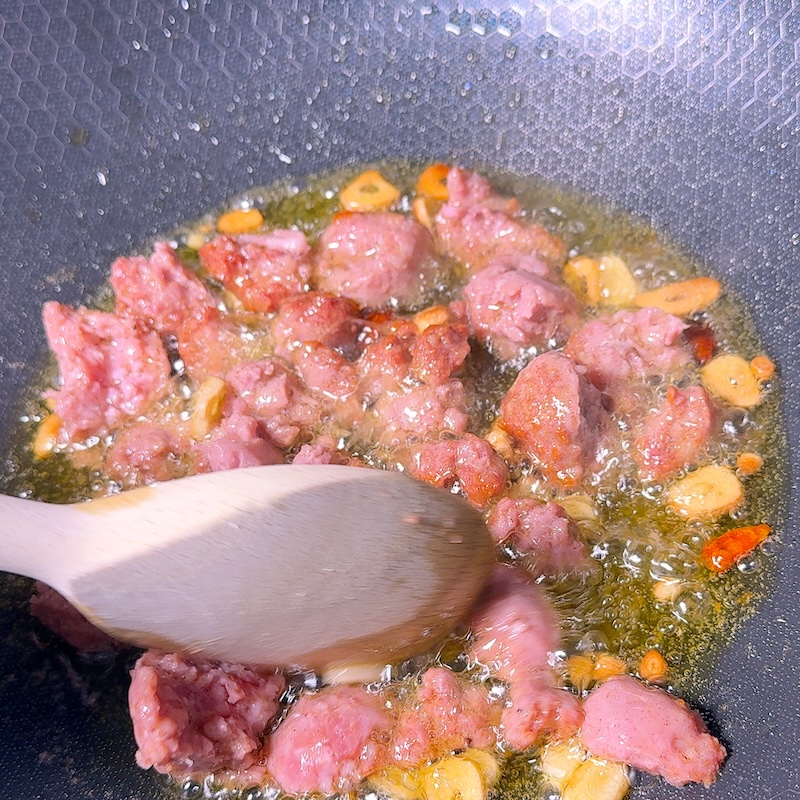
- Add the blanched broccoli and season with salt and pepper.
- Deglaze with wine. Pour in 1/2 cup white wine, then cook 1–2 minutes, letting the alcohol evaporate and the flavors concentrate.
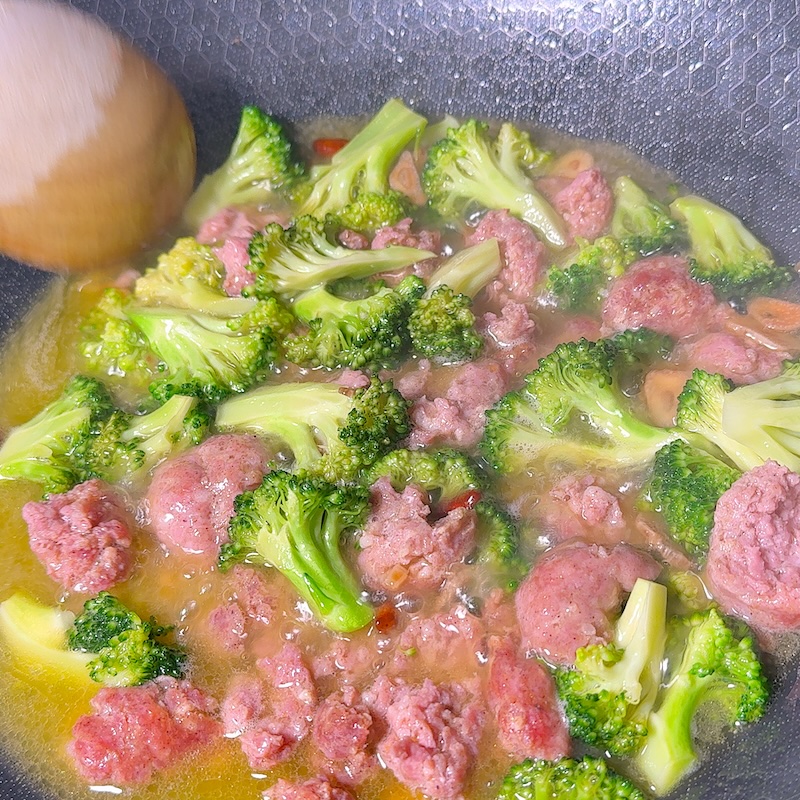
- Finish the pasta. Add the drained pasta to the pan with a splash of reserved pasta water. Toss vigorously until everything is glossy and coated (this is the core of a one-pan sausage broccoli pasta finish).
- Serve. Top with Parmesan, lots of black pepper, and an extra drizzle of olive oil.
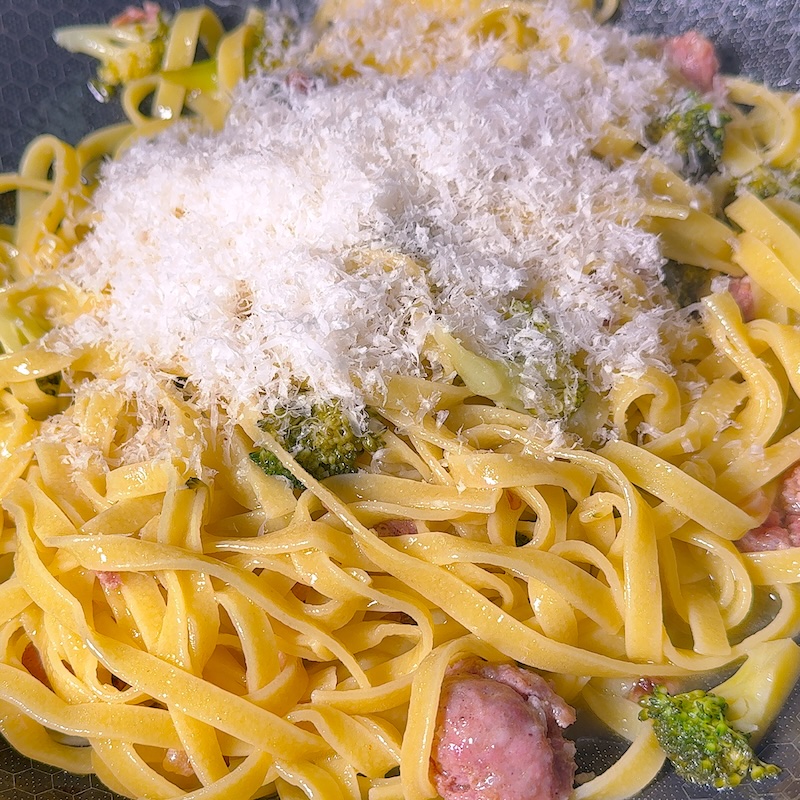
- This pasta with sausage, broccoli, and white wine is best eaten immediately.
Why It Works (Culture, Inspiration, and Nutrition)
The ingredient chemistry: why the flavors “click”
This dish works because each component plays a clear role, and the technique makes them merge into one cohesive sauce. Blanching the broccoli first does two things: it keeps the color vibrant and the texture tender, and it lightly seasons the broccoli from the salted water.
Then using that same water for pasta is a very Italian habit—nothing wasted, and the water becomes a subtle “vegetable broth” that helps the final sauce taste more integrated.
The sausage brings richness and seasoning (fat + salt + spices), while garlic and peperoncino add sharpness and heat.
The white wine is not just there for aroma: it lifts the browned bits from the pan and adds acidity, which cuts through the sausage fat so the dish tastes balanced rather than heavy.
Finally, Parmesan and black pepper add that savory depth and spicy bite that makes a simple pasta feel restaurant-level.
It’s the exact kind of quick weeknight Italian pasta recipe that tastes like you spent longer than you did.
Cultural roots and the “original” idea behind it
A close Italian cousin to this concept is pasta with greens and sausage—especially in Southern Italy, where bitter greens (like broccoli rabe/cime di rapa) are common.
You’ll also find plenty of regional versions that pair brassicas with pork, because it’s a practical, cold-weather-friendly combination that still tastes fresh.
My version leans into that tradition, but it uses broccoli—more widely available, less bitter, and perfect for that early-spring moment when you want vegetables but you’re not swimming in farmers’ market abundance yet.
Think of it as an easy spring pasta with broccoli that still keeps the soul of a classic.
What I changed and why
The biggest “change” is choosing broccoli instead of more bitter greens. That makes the dish more approachable and sweeter-tasting, which pairs beautifully with the sausage.
I also like the white-wine step because it makes the final flavor feel lighter and brighter—especially helpful when you’re craving spring vibes but still want comfort food.
And finishing with extra olive oil and aggressive black pepper is my personal signature: it makes the plate taste alive.
Nutrition notes (and easy ways to adjust it)
Nutritionally, this dish is a strong balance of protein (sausage + Parmesan), carbs (pasta), and fiber/micronutrients (broccoli).
Broccoli contributes vitamin C, vitamin K, folate, and fiber—so the plate isn’t just “pasta comfort,” it’s also genuinely nourishing.
If you want it a bit lighter, you can:
- use a leaner sausage (or a smaller amount),
- increase broccoli,
- choose whole-wheat pasta for more fiber,
- go easy on Parmesan and finish with more black pepper and lemon zest instead.
FAQ
Here are a few quick questions people usually have when making this Italian sausage and broccoli pasta at home:
Q: Can I use frozen broccoli?
A: Yes—thaw it slightly and blanch briefly so it doesn’t turn mushy, then proceed as usual.
Q: What pasta shape works best?
A: Short shapes that catch bits of sausage and broccoli are ideal (rigatoni, penne, fusilli), but long ones such as spaghetti or tagliatelle also work.
Q: Do I have to use white wine?
A: It’s highly recommended for brightness, but you can swap in a splash of pasta water plus a tiny squeeze of lemon at the end.
Q: How do I keep the garlic from burning?
A: Keep the heat medium and sauté gently in olive oil—fragrant, not browned.
Q: Can I make this ahead?
A: It’s best fresh, but leftovers are still good. Reheat with a splash of water and a drizzle of olive oil to loosen the sauce.
Conclusion
I hope you’ll test this dish soon—and if you do, tag us so we can see your version. And if you want to watch the full process, the full recipe video is available on YouTube, so check it out and don’t forget to like and subscribe.
Nutrition Facts / Serving
- Calories: 956 kcal
- Total Fat: 50.1 g
- Cholesterol: 52.5 mg
- Sodium: 661 mg
- Potassium: 955 mg
- Total Carbohydrate: 89.4 g
- Sugars: 6.2 g
- Protein: 28.0 g