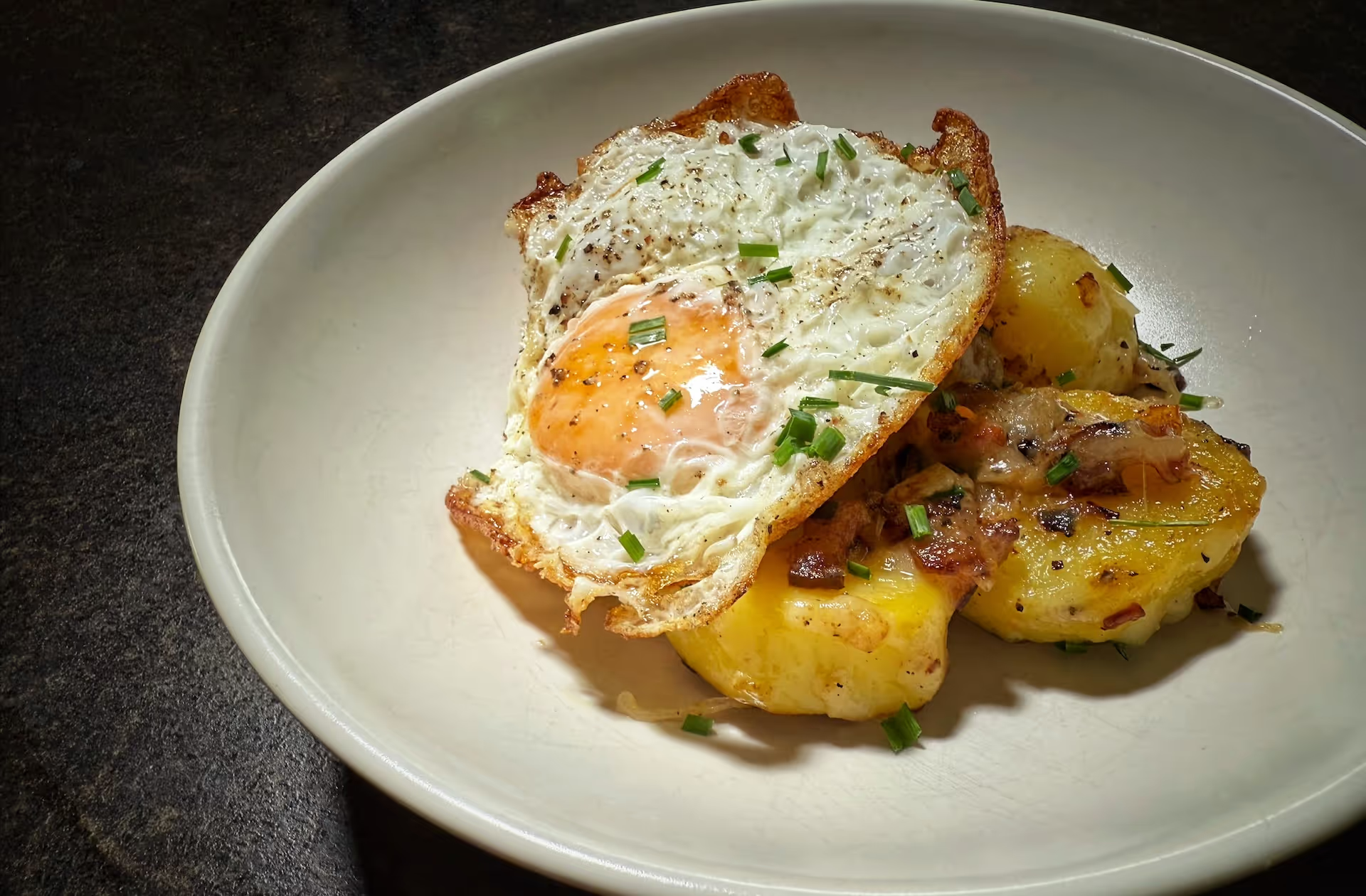
Alpine Skillet Breakfast
A cozy Alpine potato skillet with bacon, cheese, and crispy eggs — the perfect winter breakfast inspired by ski-slope comfort food.

Servings
.svg)
Prep Time

Cook Time

Ingredients

Total Time
Ingredients
Equipment
Instructions
There's something magical about cold winter mornings—those silent minutes before sunrise when the world outside is frozen, but your kitchen is warm and inviting.
For me, the best part of winter (aside from Christmas lights and cozy evenings) has always been skiing. Ski trips mean early mornings on the slopes, afternoons warmed by steaming plates of comfort food, and evenings spent recounting the day's adventures.
But what if you could bring that same Alpine feeling into your own home?
That's where this dish comes in: a deeply comforting skillet packed with potatoes, bacon, onions, Alpine cheese, and crispy eggs.
It's the kind of meal that instantly transports you to snowy Austrian slopes—a perfect choice for anyone looking for winter breakfast ideas or building a flavor-packed ski breakfast that keeps you full, warm, and energized.
This plate is rich, rustic, indulgent, and ideal for those days when you can't escape to the mountains but still want to taste them.
How to Make This Alpine Breakfast
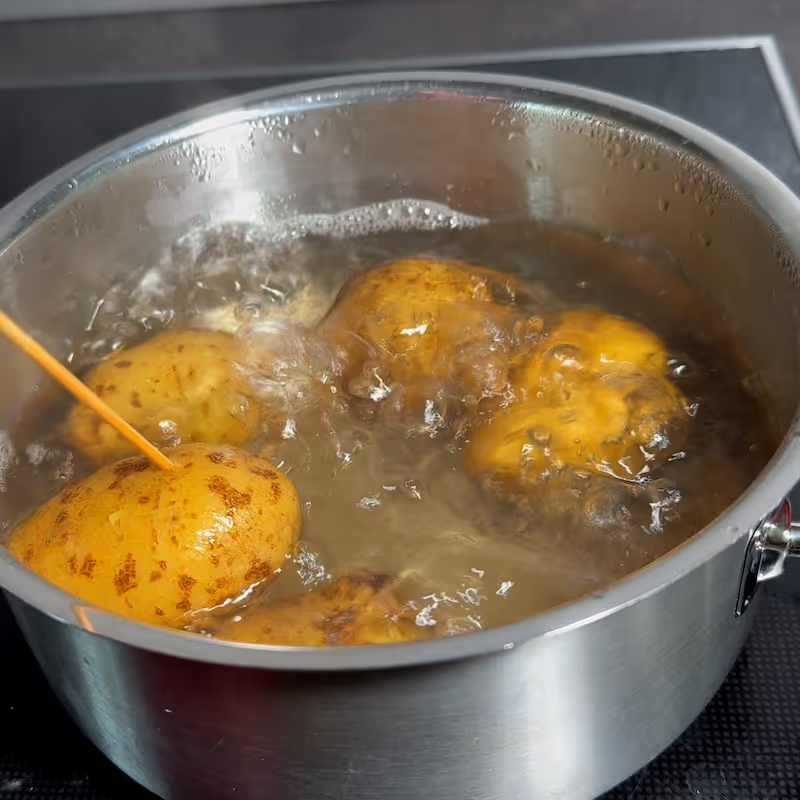
- Prepare the Potatoes: Boil the potatoes with the peel on for 20–30 minutes or until tender.
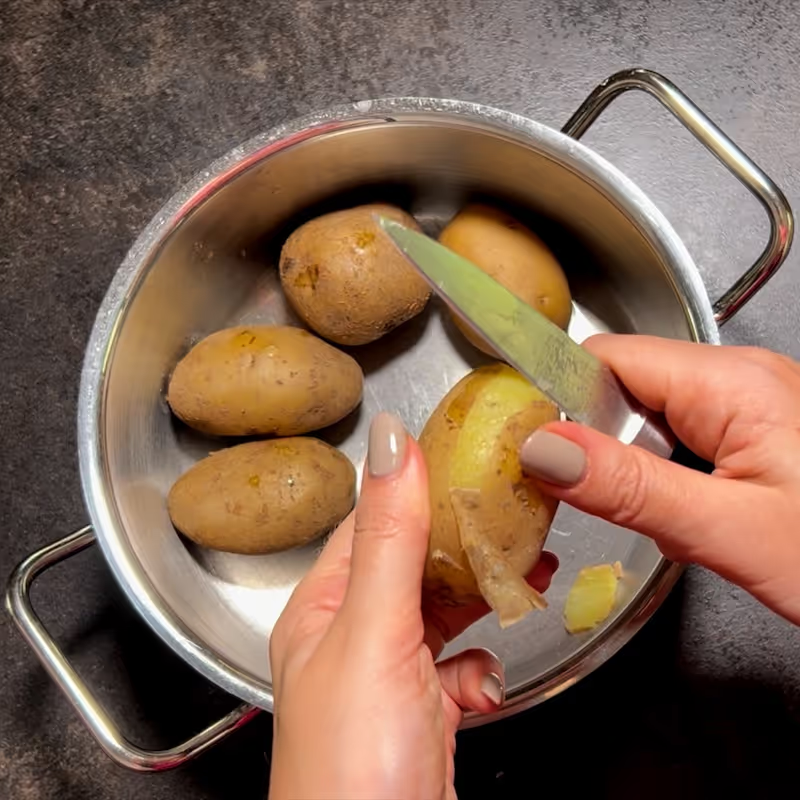
- Let them cool slightly, then peel and slice them into 1 cm rounds.
- Build the Skillet Base: Cut the bacon into 1 cm cubes and fry them on medium-high heat until they turn translucent.
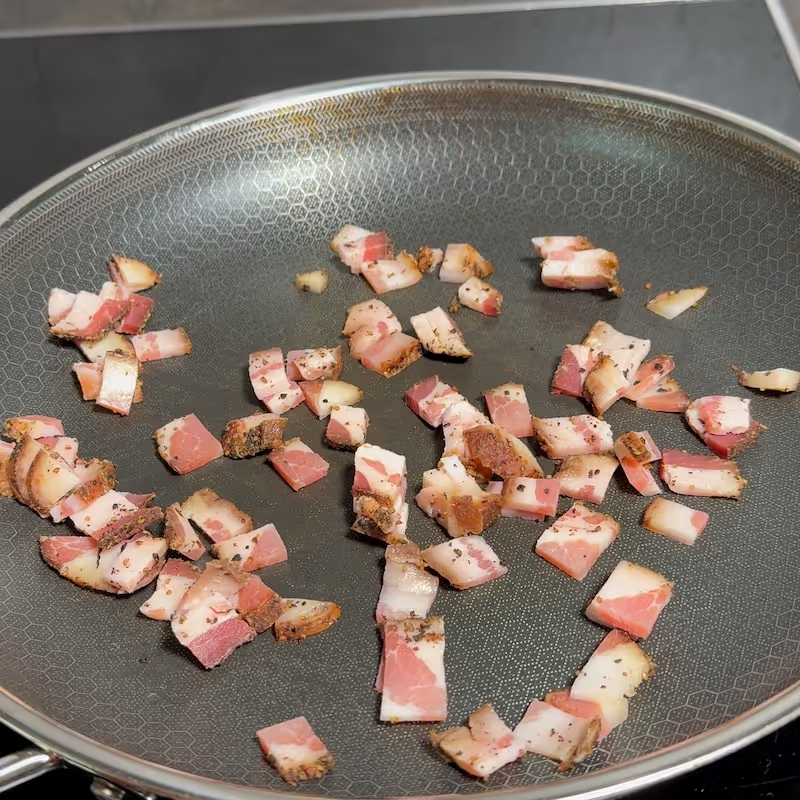
- Add the finely chopped onion and cook for 5–6 minutes in the rendered fat.
- Add the sliced potatoes and roast them together, stirring well.
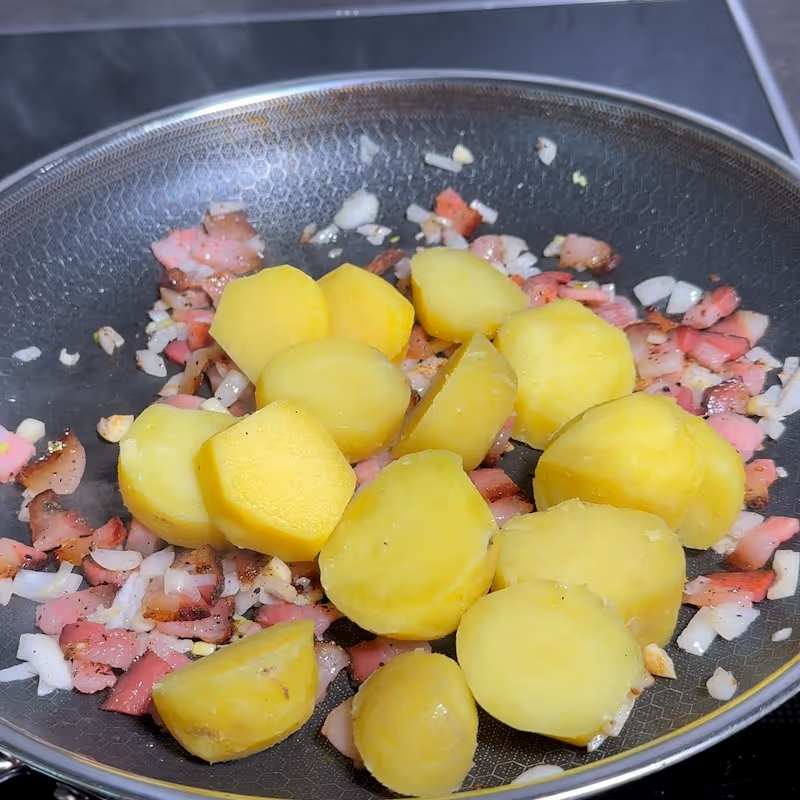
- Mix in the chili and cook for an additional 5 minutes.
- Pour in the cooking cream.
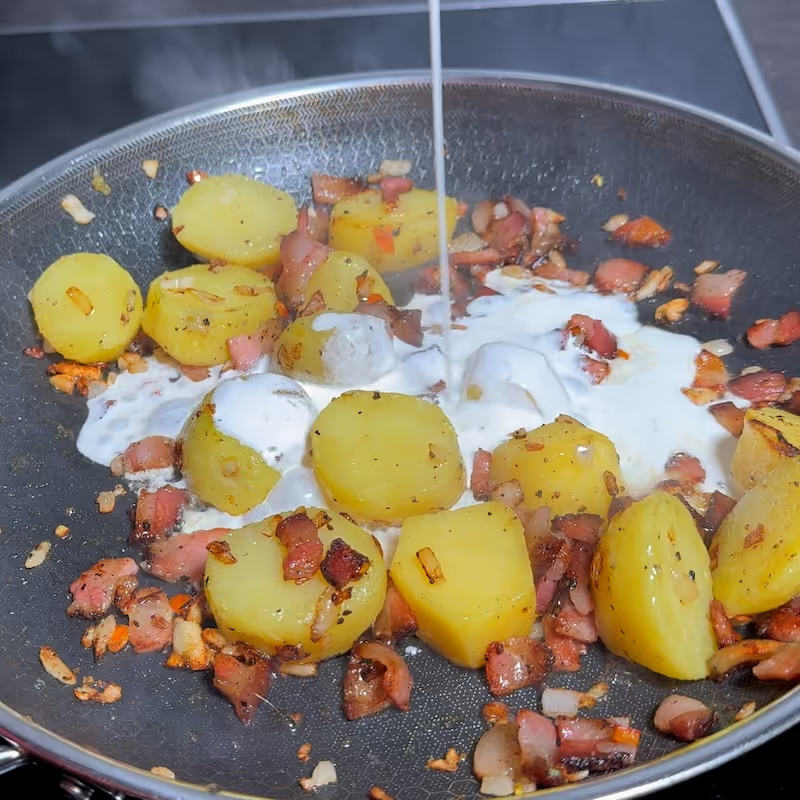
- Stir to coat, and cook for 1 more minute.
- Finish with Cheese and Chives: Remove the pan from the heat and add the grated Alpine cheese. Stir until melted. Sprinkle generously with chives.
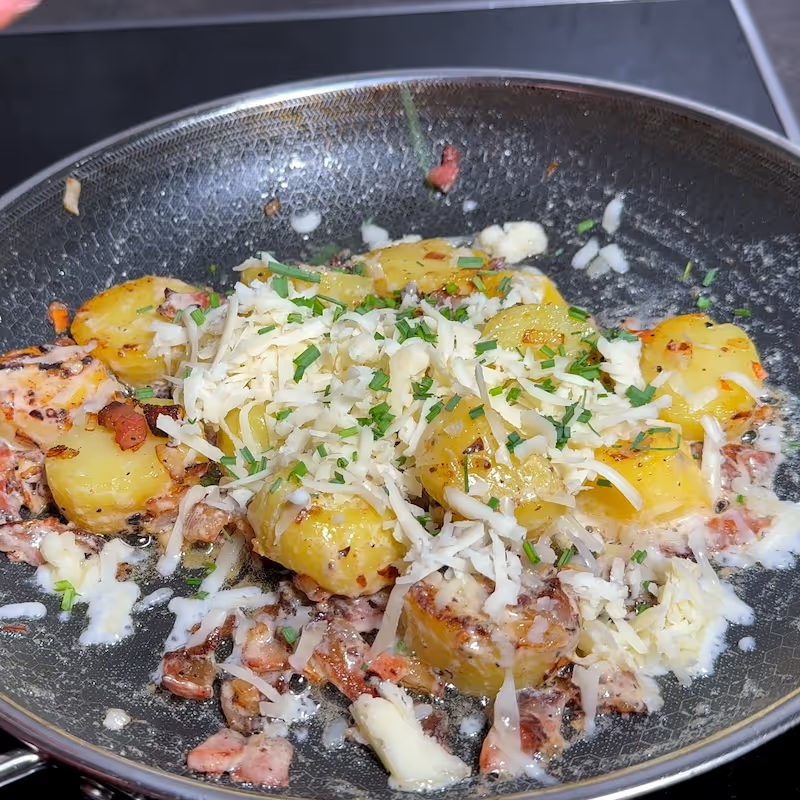
- Add the Crispy Eggs: Prepare sunny-side-up eggs any way you like. I prefer heating up the oil first so the bottom gets beautifully crispy.
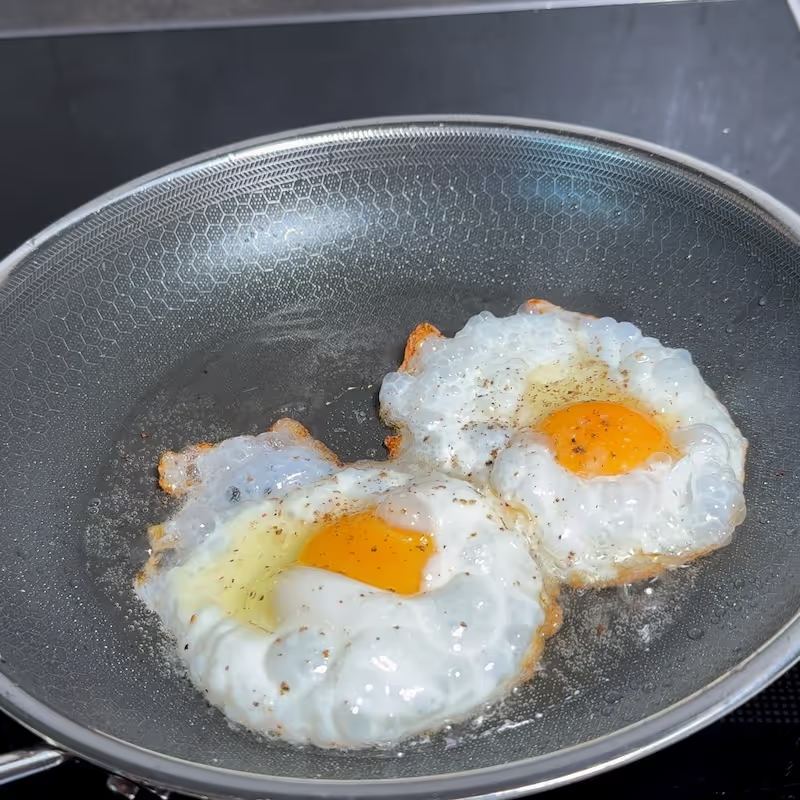
- Top your potato-bacon skillet with the eggs and more chives.
- Serve with a fresh salad and a glass of orange juice. You can skip the chili if you prefer a milder flavor.
This is our cozy interpretation of one of the best ski breakfast ideas we discovered in the Austrian Alps—a true breakfast of champions to enjoy before a day out in the cold or whenever you crave a warming mountain-inspired dish.
Behind the Recipe: Origins, Influences & Adaptation
Alpine Roots and Traditional Mountain Cooking
This dish was inspired by the classic foods served in Alpine regions, especially in Austria, Switzerland, and the Italian Dolomites. On ski trips, mornings are often spent enjoying hearty meals designed to provide energy and warmth in freezing temperatures. Traditional ski-resort kitchens rely on simple, affordable, and highly satisfying ingredients: potatoes, bacon, cheese, and eggs. These staples were historically available in mountain villages throughout winter, making them the backbone of many Alpine dishes.
Classic Dishes That Inspired It
The original versions of this meal often appear under names like "Bauerfrühstück" (farmer's breakfast) or are served as skillet plates in mountain huts.
They usually include potatoes fried in bacon fat, cheese from local producers, and eggs cooked directly in the pan. Their purpose was practical: provide sustenance for long days of work or skiing, offering warmth, comfort, and plenty of calories.
How We Adapted It at Home
In our home, the recipe evolved naturally. I grew up with winter meals that were filling, warm, and uncomplicated. So, when recreating the Alpine breakfast, I kept the core structure but adapted it to our taste.
The addition of chili brings subtle heat, the cream creates a silkier base, and using a mix of Emmentaler and Gruyère ensures you get that Alpine melting quality even if you don't have access to the exact cheeses from Austria.
Nutrition, Warmth & Practicality
Nutritionally, this dish is indulgent but purposeful. Potatoes provide slow-release carbohydrates—perfect for fuel on cold days. Bacon adds protein and saltiness, while eggs offer additional protein and healthy fats.
Cheese contributes calcium and richness, making the meal deeply satisfying. While not a light breakfast, it stays true to the purpose of Alpine cuisine: keeping you warm, energized, and ready for a day outdoors.
A Dish That Represents Alpine Culture
From a cultural standpoint, meals like this have long been considered comfort classics in ski culture.
They bring together community, warmth, and nourishment—values that resonate far beyond the slopes.
Our homemade adaptation keeps the soul of the dish intact while embracing the flavors and textures we love, making it a staple winter meal we return to often.
FAQ
Before diving into your questions, here are the five most common things people ask when making this cozy dish:
Q: Can I make this vegetarian?
A: Yes. Swap the bacon for mushrooms sautéed in butter or smoked paprika for a similar depth of flavor.
Q: What cheese works best?
A: Any Alpine-style melting cheese is ideal. Emmentaler and Gruyère are perfect substitutes.
Q: Can I prepare the potatoes in advance?
A: Absolutely. Boil and peel them the day before and store them in the fridge.
Q: How do I make it less heavy?
A: Use less cream, skip the bacon, or serve it with a large fresh salad.
Q: Is this a good option for meal prep?
A: The potato mixture reheats well, but make the eggs fresh each time.
Bringing It All Together
This Alpine skillet is the perfect example of how simple, humble ingredients can become something extraordinary—especially on cold mornings.
It blends tradition, comfort, and flavor in a way that instantly reminds you of snowy mountains, cozy inns, and long ski days.
It's ideal if you're searching for the perfect skillet breakfast potatoes, a warming ski breakfast, or just hearty winter breakfast ideas that make you feel like you're on holiday.
I hope you will test this dish and tag us along when you do.
The full video of the recipe is available on YouTube, so check it out—and don't forget to like and subscribe.