Healthy Tuna Salad with Creamy Ricotta
Creamy, mayo-free tuna salad with ricotta, beans, and herbs. Light, protein-packed, ready in minutes—your new healthy lunch or dinner favorite. Enjoy!

Servings
.svg)
Prep Time

Cook Time

Ingredients

Total Time
Ingredients
Dairy & Dressing
- 200 g ricotta cheese
- 1 tbsp Dijon mustard
- 1 tbsp olive oil (for ricotta)
Protein & Base
- 150 g canned tuna in brine (or in oil, if preferred)
- 300 g canned beans
- 1 tbsp olive oil (for beans)
Veggies & Garnish
- 1–2 green onions
- Dill (optional)
- Pickled hot peppers (optional)
- Chili oil (optional)
- Balsamic cream (optional)
Pantry/Seasoning
- Salt and pepper, to taste
Equipment
- Mixing bowl (for tuna + beans)
- Small bowl (for ricotta dressing)
- Strainer/sieve (to drain tuna/beans)
- Cutting board & chef’s knife
- Spoon or spatula for mixing
- Serving plate or shallow bowl
Instructions
When we talk about tuna salad, healthy should always be one of the first words that come to mind. Tuna is one of those ingredients that feels both classic and comforting, yet endlessly adaptable.
Still, when people think of the best tuna salad recipe, they often picture something loaded with mayonnaise — delicious, yes, but not exactly light. I wanted to challenge that.
Therefore, I set out to create a healthy tuna salad recipe that’s creamy and satisfying, without a single spoon of mayo.
The result? A velvety, balanced dish built around ricotta, beans, and a few flavorful extras that make it taste luxurious and nourishing at the same time.
This tuna salad without mayo brings the best of both worlds — the creaminess you crave and the freshness you want from a weekday lunch or light dinner. Ready to learn how to make tuna salad the nerdy way? Let’s dive in.
How to Make Tuna Salad
- Prepare the Tuna Mixture: Start by gathering all your ingredients — this tuna salad recipe comes together in no time.
- Drain your tuna in brine and transfer it to a mixing bowl. (If you prefer tuna in olive oil, just skip adding more oil later.)
- Add the chopped green onions and cooked beans, drizzle with olive oil, season with salt and pepper.

- Gently stir to combine.
- Make the Creamy Ricotta Base: In another bowl, mix the ricotta with Dijon mustard and olive oil.

- Stir well until you get a smooth, creamy texture.
- Gradually add a splash of cream if you want it lighter.
- Season with salt and pepper.
- This will act as your tuna salad dressing — mild, tangy, and much lighter than mayonnaise.
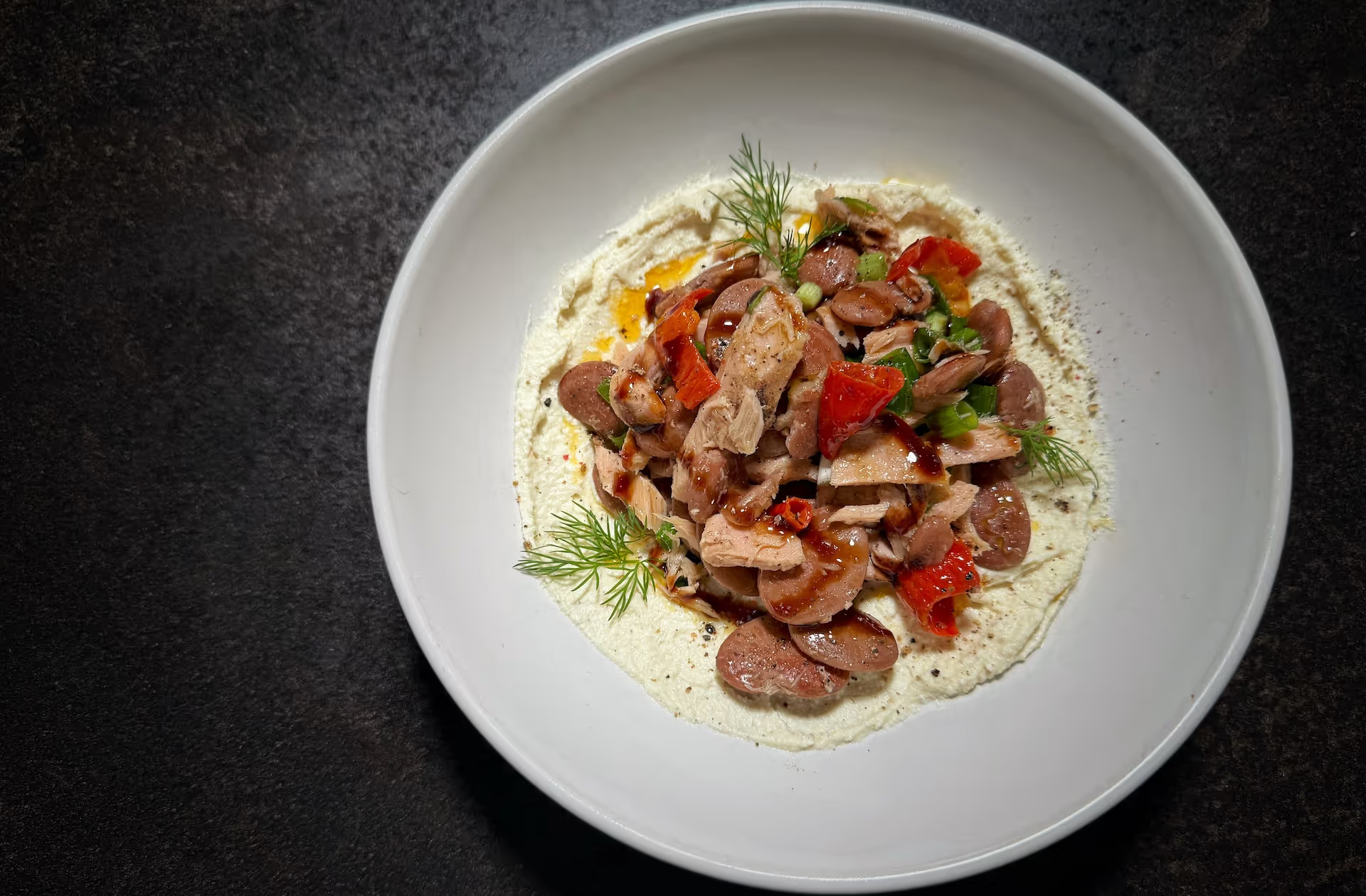
- Plate and Garnish: Spread the ricotta mixture on the bottom of your serving plate, then spoon the tuna-bean mixture over it.

- Garnish with pickled hot peppers, fresh dill, and a drizzle of chili olive oil and balsamic cream.
- Serve immediately — it’s a healthy tuna salad that feels indulgent without being heavy.
About This Recipe
I created this version because I wanted something that combined the comfort of a tuna salad with the kind of ingredients I often use at home — simple, nourishing, and full of flavor.
I’ve always believed that food should make you feel good, not guilty, and this dish fits perfectly into that philosophy. The idea came from classic Mediterranean flavors: creamy cheeses, olive oil, beans, and just a hint of heat.
While the original tuna salad recipes from early 20th-century America used mayonnaise as the base, I decided to reinterpret the concept with ingredients that reflect a more balanced, Mediterranean-inspired lifestyle.
Replacing mayo with ricotta not only lightens the dish but also adds protein and calcium. The beans bring fiber and texture, while the chili oil and balsamic cream give it that playful, modern twist I love.
Interestingly, tuna salad was first documented in the United States around 1907. It became popular in households and diners because it was affordable, easy to make, and high in protein — ideal for busy people in the early industrial era.
By the 1950s, it had even been promoted as a “dieter’s meal,” especially when paired with lettuce instead of bread.
My version goes back to that healthy spirit but modernizes it with fresher textures and cleaner flavors.
At home, we like serving this with a slice of toasted rustic bread or even tossing it with pasta for a quick tuna pasta salad. Sometimes, I add a few capers or roasted peppers for extra depth — it’s one of those tuna and salad ideas that can evolve endlessly based on your mood or pantry.
Nutrition & Health Aspects
This healthy tuna salad recipe is packed with protein, calcium, and fiber. Using tuna in brine keeps the sodium manageable, while ricotta adds creaminess without the saturated fat of mayonnaise. The olive oil provides healthy monounsaturated fats, and the beans add slow-digesting carbs and extra protein — making it a balanced and filling meal.
Tuna also contains omega-3 fatty acids, which support heart health and reduce inflammation. That’s another reason to enjoy this healthy tuna salad guilt-free. If you’re looking for a dish that delivers comfort, freshness, and energy all in one plate, this is the one to keep in your weekly rotation.
Quick History & Inspiration
The tuna salad we know today originated in the early 1900s in the United States, when home cooks began combining leftover fish with mayonnaise and vegetables to make a quick lunch. Over the decades, it became a staple in American cuisine, evolving into countless tuna salad recipes — from classic deli sandwiches to modern, global-inspired plates.
My own adaptation grew from curiosity. I wanted to capture the essence of that century-old comfort dish but give it a fresh identity — lighter, creamier, and closer to what we actually enjoy at our table today. Swapping mayo for ricotta felt like the perfect compromise: a nod to tradition, yet something distinct and true to our cooking style.
And that’s how this healthy tuna salad recipe came to life — rooted in history but reimagined with a modern touch.
FAQ
Q: Can tuna salad be frozen?
A: Freezing tuna salad is not recommended, especially if it contains dairy like ricotta. The texture will separate and turn grainy after thawing. Instead, store it in the fridge and eat it within 2–3 days.
Q: Can tuna salad cause heartburn?
A: Some people may experience heartburn if they are sensitive to acidic ingredients like mustard, balsamic, or spicy oils. To avoid this, reduce the seasoning or skip the chili oil.
Q: How long does tuna salad last in the fridge?
A: Tuna salad stored in an airtight container lasts up to 3 days in the refrigerator. Always refrigerate it promptly and avoid keeping it at room temperature for more than two hours.
Q: Who invented tuna salad?
A: The first known recipe appeared in American cookbooks around 1907. It’s believed to have evolved from similar cold salads using chicken or seafood, popularized by home cooks looking to use leftovers efficiently.
Q: When was tuna salad invented?
A: The earliest recorded appearance dates back to the early 20th century in the United States, when canned tuna became widely available. By the 1950s, tuna salad had become a symbol of convenient and nutritious eating.
Conclusion
I hope you’ll try this healthy tuna salad recipe and tag us when you do — I’d love to see how it turns out in your kitchen. Whether you serve it as a tuna pasta salad, on toasted bread, or as a light dinner, it’s proof that comfort food can still be healthy and exciting.
The full video of this recipe is available on our YouTube channel, so make sure to check it out — and don’t forget to like and subscribe for more delicious ideas!
Nutrition Facts / Serving