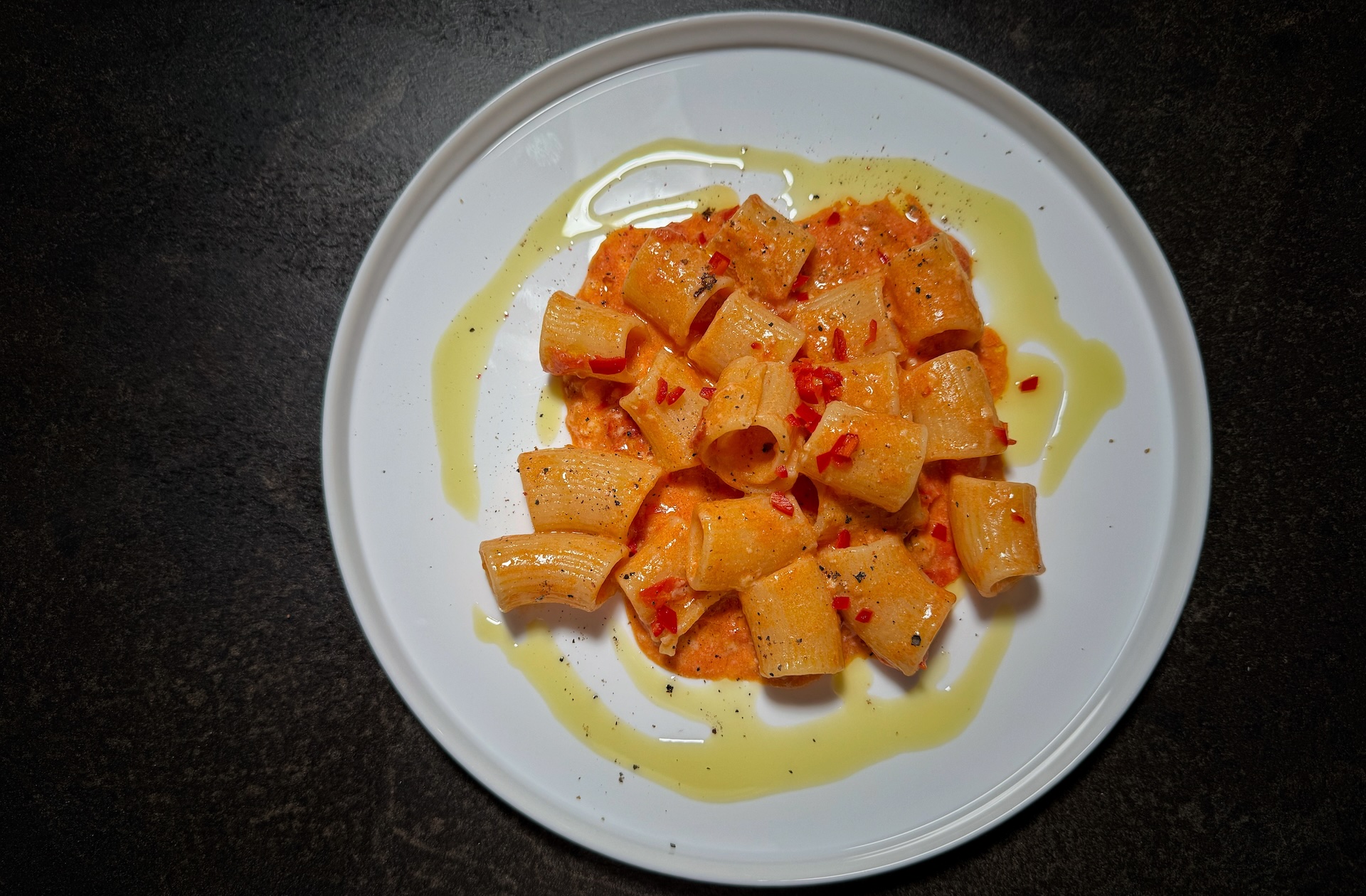
Creamy Burrata Pasta Recipe
Creamy tomato burrata pasta made with fresh tomatoes, garlic, olive oil, and burrata. A simple Italian-inspired recipe ready in minutes.

Servings
.svg)
Prep Time

Cook Time

Ingredients

Total Time
Ingredients
Equipment
Instructions
There are dishes that impress through complexity, and then there are dishes that stay with you because they respect the ingredient at their center. This burrata pasta recipe belongs firmly in the second category.
Burrata is one of Italy's quiet culinary miracles — a cheese that looks modest on the outside, but hides a luxurious, creamy core that transforms anything it touches.
Whenever I cook with burrata, I remind myself that less really is more. Burrata doesn't ask to be masked or overworked; it asks for balance. Tomatoes, olive oil, salt, maybe a touch of heat — that's all it needs. This philosophy guided the creation of this creamy burrata pasta, a dish that feels indulgent yet grounded, comforting yet vibrant.
This pasta is the kind of meal you make when you want something deeply satisfying without spending hours in the kitchen. It's a celebration of good ingredients, thoughtful timing, and letting textures do the talking. The tomatoes melt into a rustic sauce, the pasta carries it all, and the burrata turns everything into a silky, cohesive bite.
If you've ever wondered how to truly let burrata shine in a warm dish, this creamy tomato burrata pasta is a perfect place to start. So let's make it.
Step-by-Step Instructions
- Heat the olive oil in a wide pan over medium heat.
- Add the dried chili (if using) and sliced garlic.
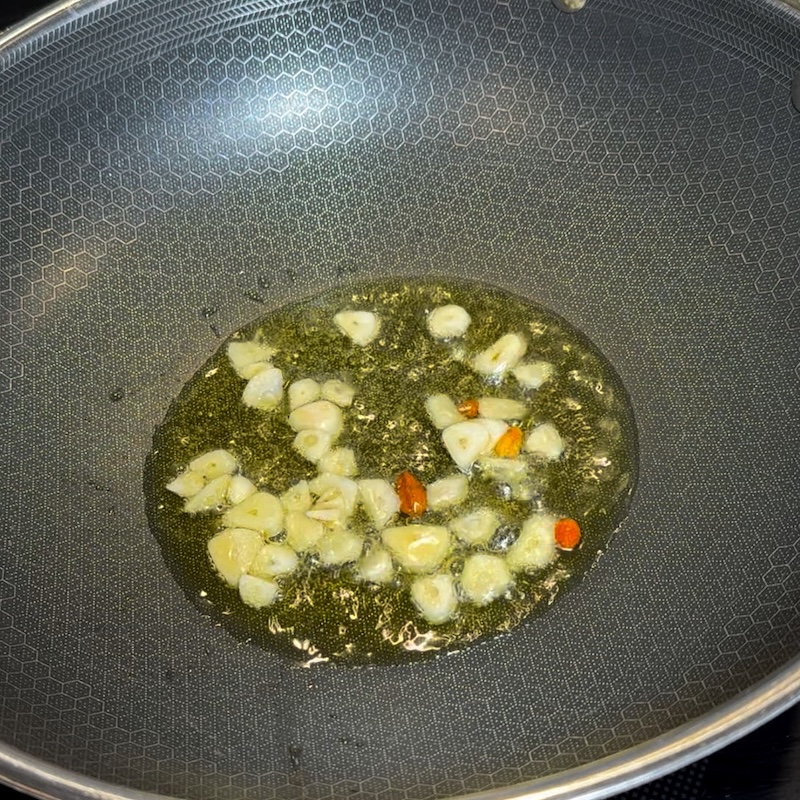
- Cook gently for 1–2 minutes, just until fragrant — do not brown the garlic.
- Add the quartered cherry tomatoes.
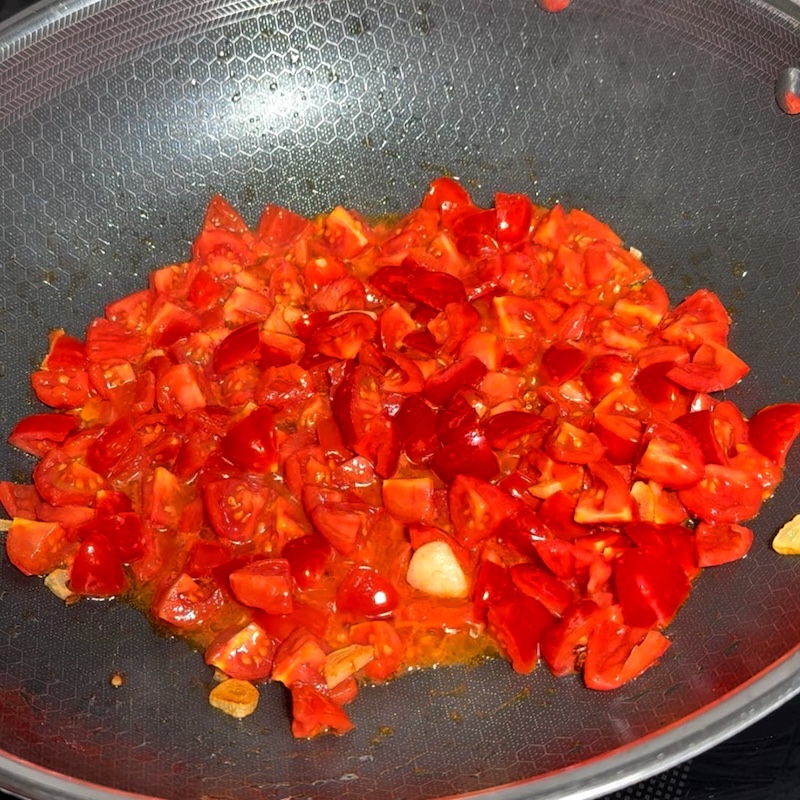
- Cook for 5–7 minutes, stirring occasionally, until they soften and collapse into a chunky sauce.
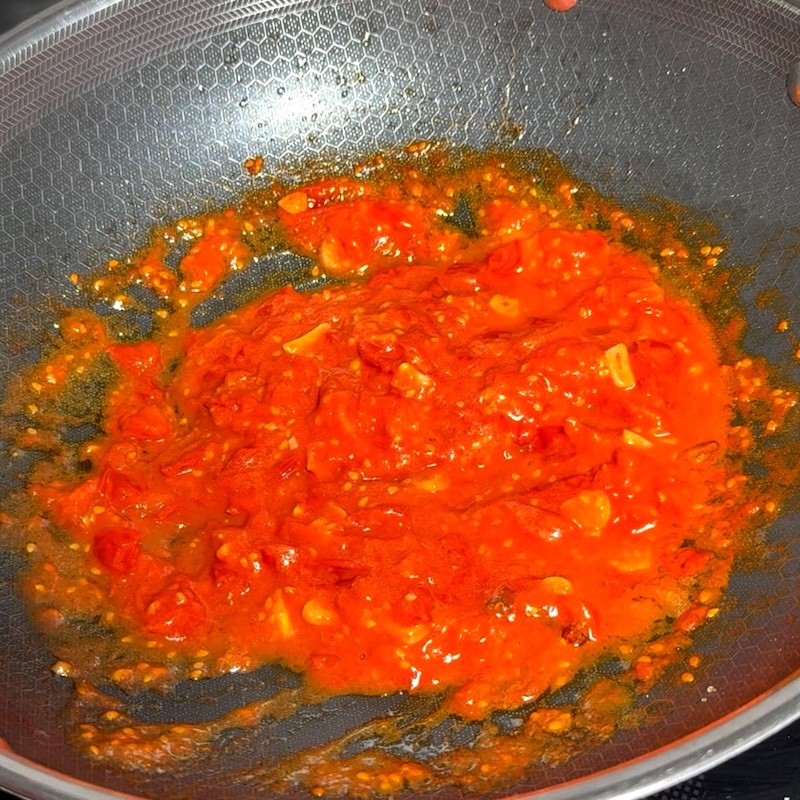
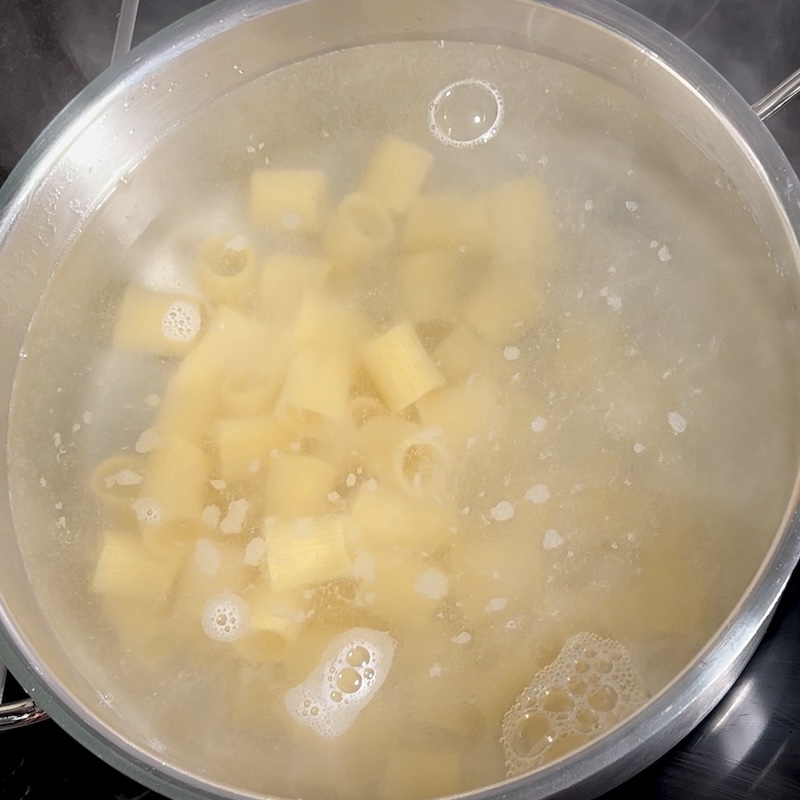
- Meanwhile, cook the pasta in generously salted water according to package instructions.
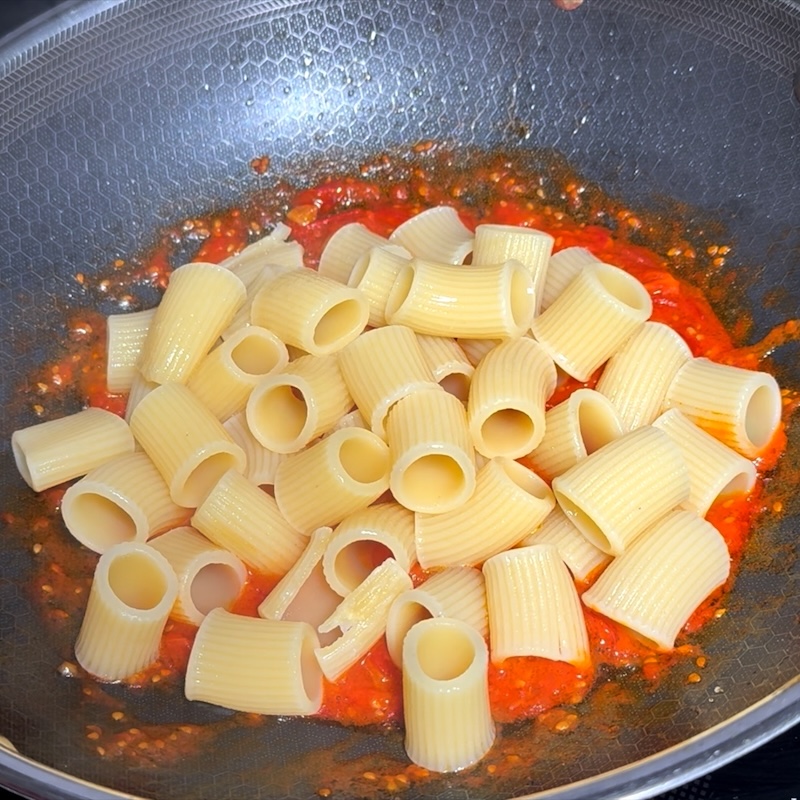
- Transfer the cooked pasta directly into the tomato sauce.
- Tear the burrata into pieces and add it to the pan.
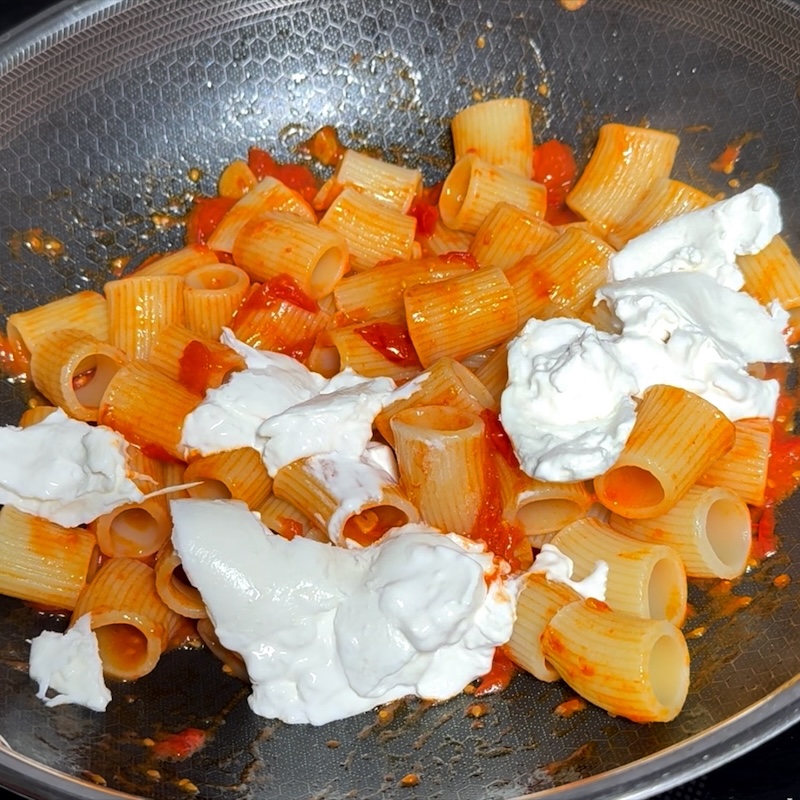
- Add a ladle of the pasta cooking water and toss to combine.
- Stir gently until the burrata melts into a creamy sauce that coats the pasta.
- Serve immediately with extra olive oil, freshly ground black pepper, fresh chili if desired, and basil leaves.
How This Recipe Came to Life
This dish was born out of repetition — the good kind.
Over the years, burrata kept finding its way into our kitchen, usually served the simplest way possible: torn by hand, seasoned with salt, finished with olive oil and tomatoes.
At some point, it felt natural to bring pasta into the equation, not as a star, but as a vehicle.
The main influence here is Southern Italian cooking, where ingredients are treated with respect and restraint. The tomatoes are not blended, the garlic isn't overcooked, and the burrata is added last, off the heat, so it becomes a sauce rather than a topping. That technique alone changes everything.
A Bit of Burrata History
Burrata is a relatively young cheese, first made in the 1950s in southern Italy. Unlike many aged Italian cheeses, burrata was created as a practical solution — a way to use leftover mozzarella curds mixed with cream.
What started as a necessity quickly became a luxury. Its contrast between firm exterior and creamy interior is what makes it so special, especially in warm dishes like burrata pasta, where heat gently releases its richness.
How We Adapted It at Home
At home, we leaned into texture rather than complexity. We didn't add onions, wine, or herbs beyond basil. We also chose tubular pasta because it traps the sauce inside, making every bite cohesive.
This approach turned it into what we genuinely consider one of the best burrata pasta recipe versions for everyday cooking — elegant but achievable.
Nutritional Notes & Interesting Facts
Burrata is richer than mozzarella due to its cream-filled center, making it higher in fat and calories.
However, it also provides calcium, protein, and fat-soluble vitamins. When paired with tomatoes — rich in lycopene — and good-quality olive oil, this dish delivers both flavor and nutritional value. The key is portion balance, not avoidance.
FAQ – Everything You Need to Know About Burrata
Before diving into the questions, it's worth knowing that burrata is often misunderstood — especially when used in warm dishes like pasta. Here are the most common questions answered clearly:
Q: Are burrata and mozzarella the same?
A: No. Burrata has a mozzarella shell but a creamy interior made from stracciatella and cream.
Q: Can burrata be frozen?
A: No. Freezing ruins its texture and causes the cream to separate.
Q: Can burrata be heated?
A: Yes, gently. It should melt into sauces, not be aggressively cooked.
Q: Which is healthier, burrata or mozzarella?
A: Mozzarella is lighter. Burrata is richer but more indulgent.
Q: When was burrata invented?
A: Burrata was first made in the 1950s in southern Italy.
Conclusion
This creamy tomato burrata pasta is proof that simplicity, when done right, never gets boring.
I truly hope you'll test this dish in your own kitchen and experience how effortlessly comforting it is. If you do, don't forget to tag us — we absolutely love seeing your versions.
The full cooking video is available on our YouTube channel, so make sure to check it out, and if you enjoy it, don't forget to like, subscribe, and cook along with us.