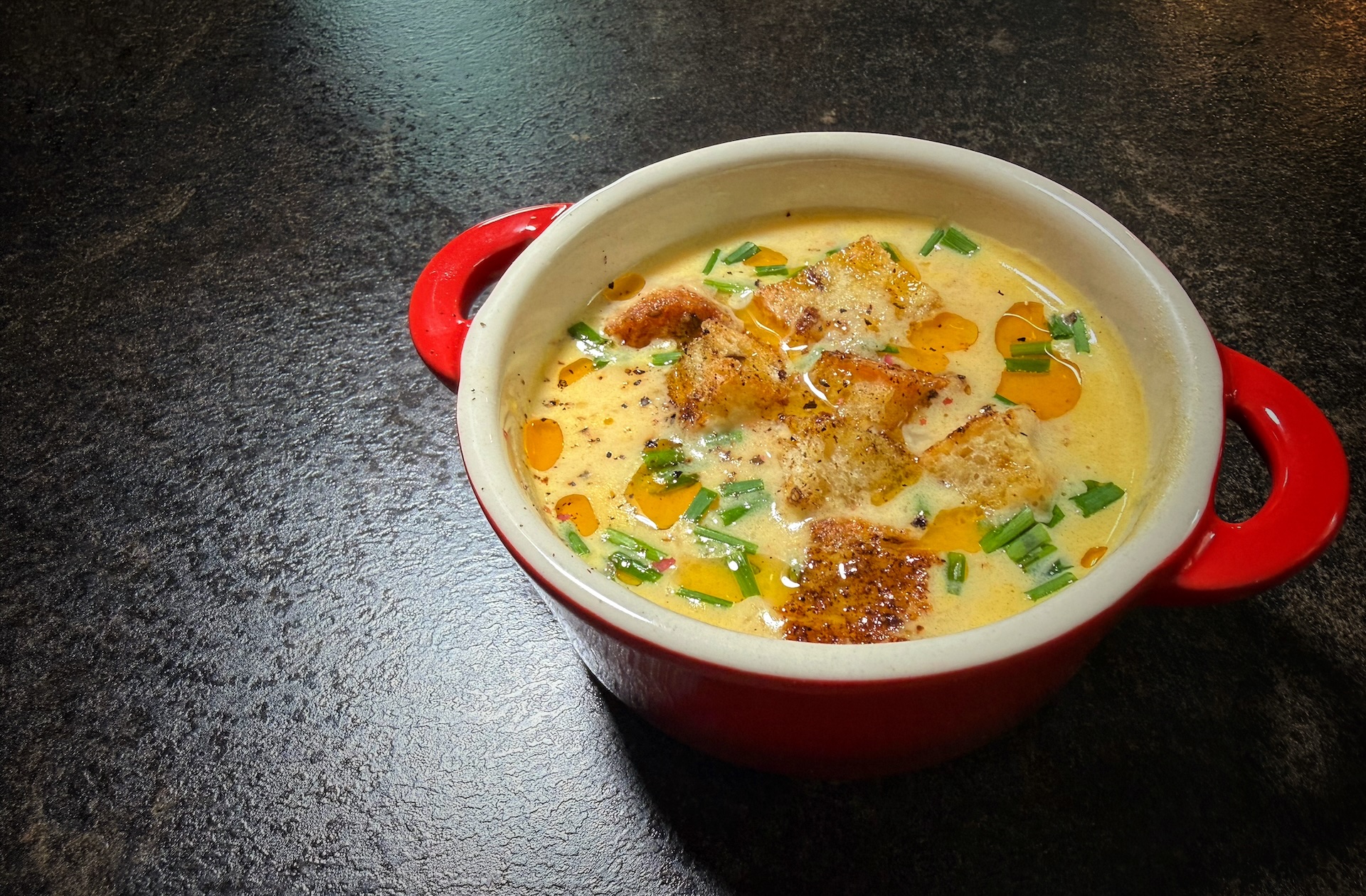
Alpine Garlic Soup: A Warm Embrace for Winter Days
Creamy roasted garlic soup with caramelized depth and velvety texture. A comforting winter recipe that transforms simple ingredients into rich flavor.

Servings
.svg)
Prep Time

Cook Time

Ingredients

Total Time
Ingredients
For the Soup:
- 6 heads of garlic
- 4 tablespoons olive oil
- Salt and pepper to taste
- 2L water
- 2 onions, diced
- 2 carrots, peeled and diced
- 2 stalks of celery, diced
- 2 medium-sized potatoes
- 1/2 red bell pepper
- 1 cup heavy cream
For Serving (optional):
- Croutons
- Chopped fresh parsley or chives
Equipment
Instructions
Some recipes are born in cookbooks. Others are born in places and moments you never forget. For me, this creamy garlic soup recipe traces back to a cold winter evening during a skiing trip in Austria.
After hours spent outside in freezing temperatures, we sat down in a small wooden restaurant somewhere in the Alps, and what arrived at the table was a simple bowl of soup. No dramatic presentation. No elaborate garnish. Just a smooth, fragrant, deeply comforting garlic soup. And yet, that first spoonful stayed with me.
What made it special wasn’t just the garlic. It was the balance.
Ever since, I’ve been recreating my own version every winter. Because even without snow or mountains, a bowl of homemade garlic soup can instantly recreate that feeling of warmth, comfort, and quiet satisfaction.
This version stays true to the spirit of the original while incorporating techniques and influences that reflect how I cook today—building depth through roasting, layering flavors carefully, and focusing on texture just as much as taste.
Step-by-Step Instructions
Step 1: Roast the Garlic to Build Flavor
- Preheat your oven to 200°C (400°F).
- Season the garlic heads with salt and drizzle with a bit of olive oil.
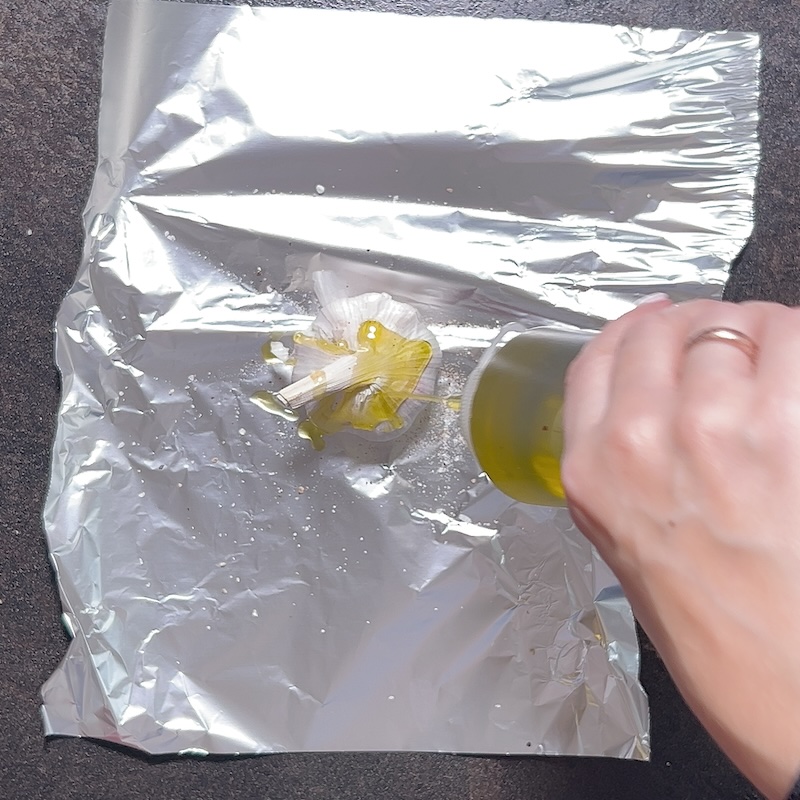
- Wrap them in aluminum foil. Place them on a backing tray and roast for 30–35 minutes until the cloves are soft, golden, and fragrant.
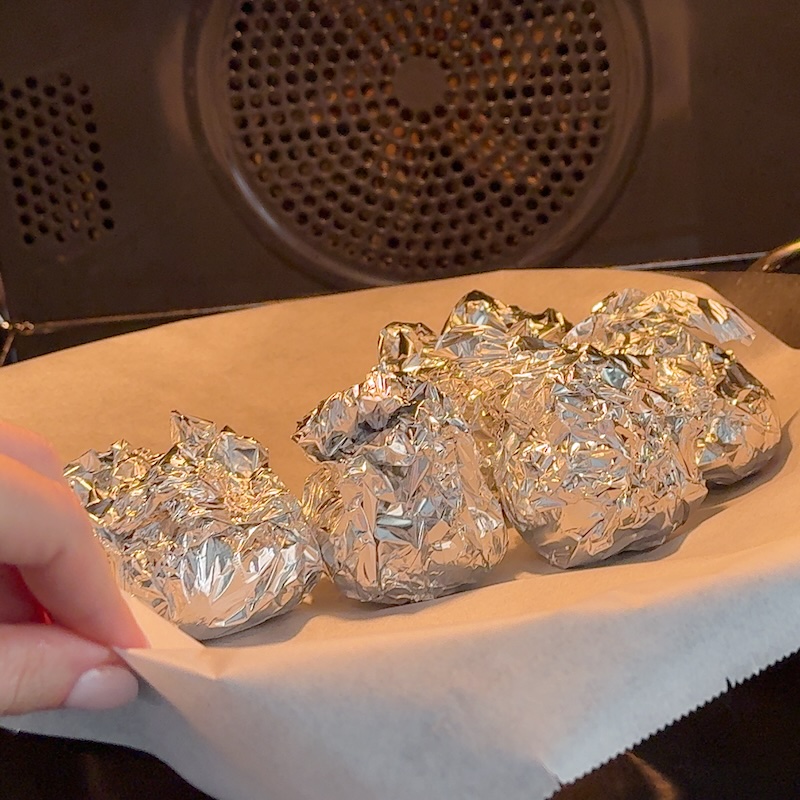
- This step is essential. Roasting transforms garlic from sharp and aggressive into something sweet, nutty, and complex—the foundation of a great roasted garlic soup.
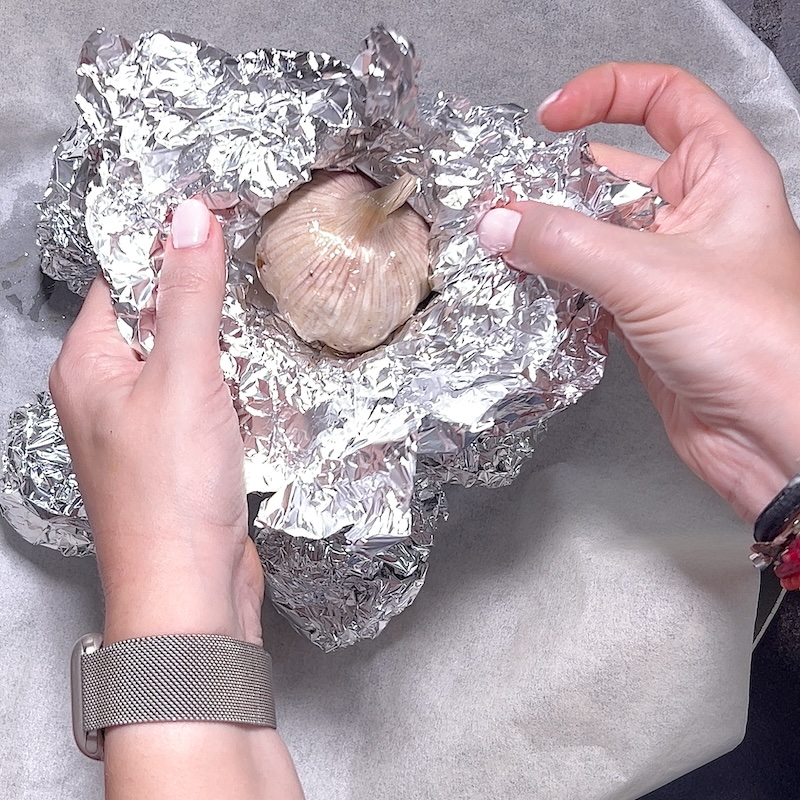
Step 2: Build the Base
- In a large pot, heat the remaining olive oil over medium heat.
- Sweat the roughly chopped onions for a couple of minutes. Then add carrots, celery, red bell pepper, and potatoes.
- Cook for 5–7 minutes, stirring occasionally, until softened and aromatic.
- Squeeze the roasted garlic cloves out of their skins and add them to the pot.
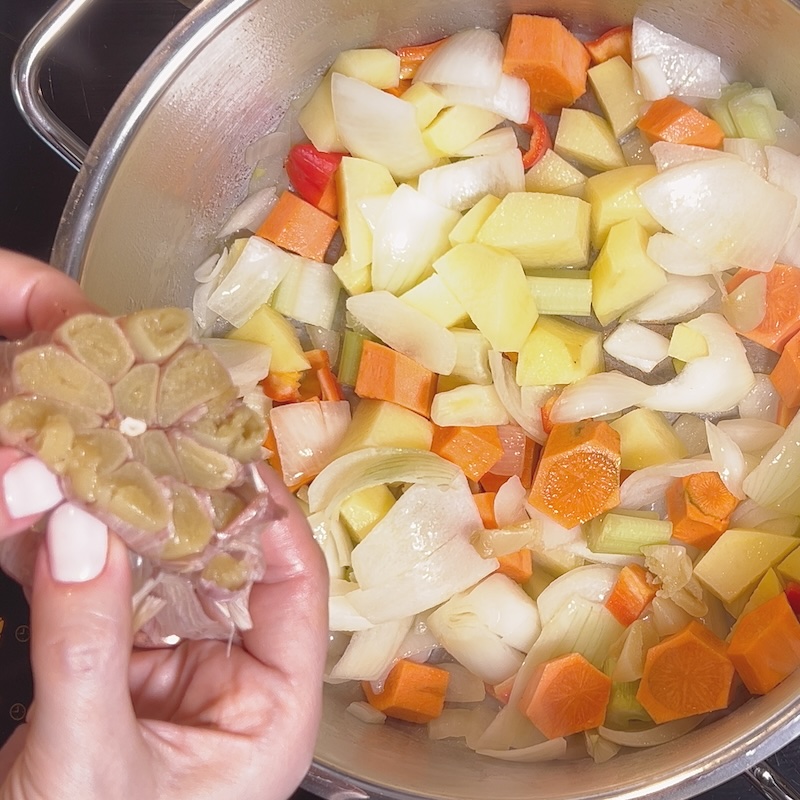
- Add water, season with salt and bring to a boil.
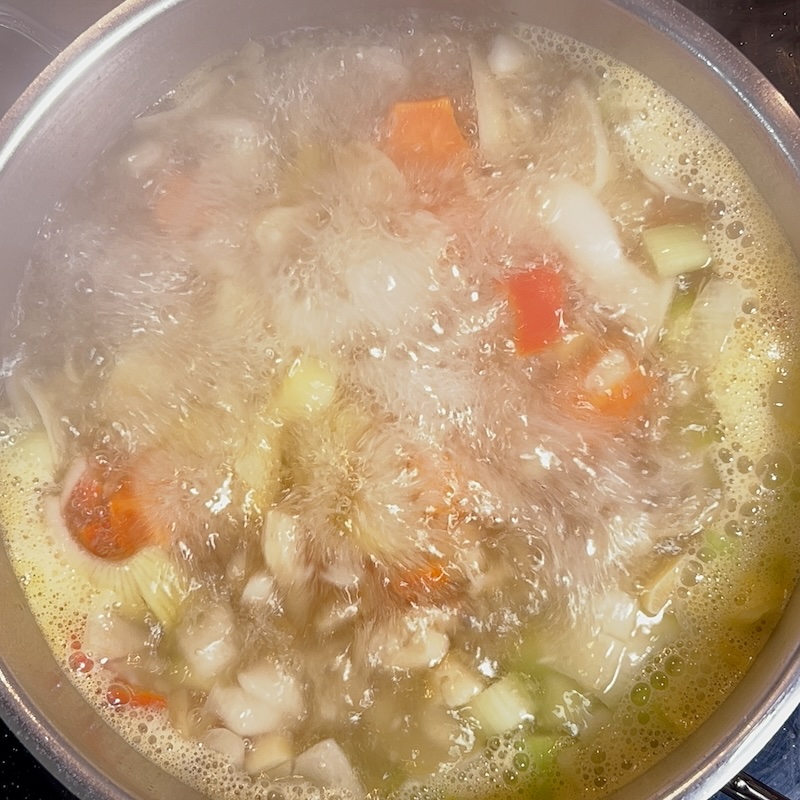
- Then reduce the heat and simmer for about 20 minutes, or until the potatoes are completely tender.
- At this stage, the soup already carries layers of sweetness, depth, and gentle earthiness.
Step 3: Blend and Finish with Cream
- Using an immersion blender, blend the soup until completely smooth and velvety.
- Combine the heavy cream with a bot of the hot soup, then pour it into the pot.

- Simmer gently for another 5 minutes. Taste and adjust seasoning.
- The final texture should be creamy, smooth, and comforting, without feeling heavy.
- Serve hot with croutons and fresh herbs.
The Story Behind This Recipe and Its Cultural Influences
Austrian Roots and the Tradition of Garlic Soup
The original inspiration for this traditional garlic soup recipe comes from Austria, where garlic soups are part of the broader Central European tradition of rustic, nourishing winter dishes. These soups were never meant to impress visually—they were meant to sustain.
Garlic has been used in European cooking for centuries, not only for flavor but also for its medicinal properties.
Historically, it was believed to strengthen immunity, improve circulation, and help the body endure harsh winters.
Unlike modern restaurant versions, traditional garlic soup relied on simple ingredients: garlic, bread, broth, and sometimes potatoes. Cream was added depending on the region and availability.
The key principle was always the same: transform humble ingredients into something deeply satisfying.
Why Texture Matters: My Approach to Creaminess and Structure
One of the most important aspects of a great homemade creamy soup is texture.
Potatoes provide natural body without needing flour. Roasted garlic provides depth. Cream adds roundness.
But balance is essential. Too much cream makes the soup heavy. Too little makes it feel incomplete.
Nutritional Benefits of Garlic Soup
Beyond flavor, this healthy garlic soup offers meaningful nutritional value.
Garlic contains:
- Allicin, a compound linked to immune support
- Antioxidants that help reduce inflammation
- Compounds associated with cardiovascular health
Potatoes provide:
- Complex carbohydrates for sustained energy
- Potassium
- Vitamin C
Olive oil contributes healthy fats, while cream adds satiety and enhances nutrient absorption.
Despite its creamy texture, this soup remains relatively balanced and nourishing.
Frequently Asked Questions
Before making this creamy roasted garlic soup, here are answers to some of the most common questions people have:
Q: Can garlic soup be too strong?
A: No—when garlic is roasted, it becomes sweet and mellow rather than sharp. Roasting is essential for balance.
Q: Can I make this soup without cream?
A: Yes. The potatoes already provide body. Cream enhances richness but is optional.
Q: How long does garlic soup last in the fridge?
A: Up to 4 days in an airtight container.
Q: Can garlic soup be frozen?
A: Yes. Freeze without cream and add it after reheating for best texture.
Q: Is garlic soup healthy?
A: Yes. Garlic offers immune support, antioxidants, and cardiovascular benefits, making this a nutritious and comforting meal.
Conclusion
This creamy garlic soup, inspired by Austrian tradition, is more than just a recipe.
It reflects memory, travel, and personal adaptation. It brings together Alpine inspiration, Romanian culinary philosophy, and modern technique to create something both familiar and personal.
It proves that great food doesn’t need complexity. It needs intention.
I hope you will test this dish and experience it in your own kitchen. When you do, make sure to tag us so we can see your version.
The full video of this recipe is available on YouTube, so check it out, and don’t forget to like and subscribe.
Until next time, stay curious, stay inspired, and keep cooking.
Nutrition Facts / Serving
- Calories 353 kcal
- Total Fat 27.3 g
- Cholesterol 41 mg
- Sodium 68 mg
- Potassium 764 mg
- Total Carbohydrate 26.4 g
- Sugars 6.8 g
- Protein 5.3 g